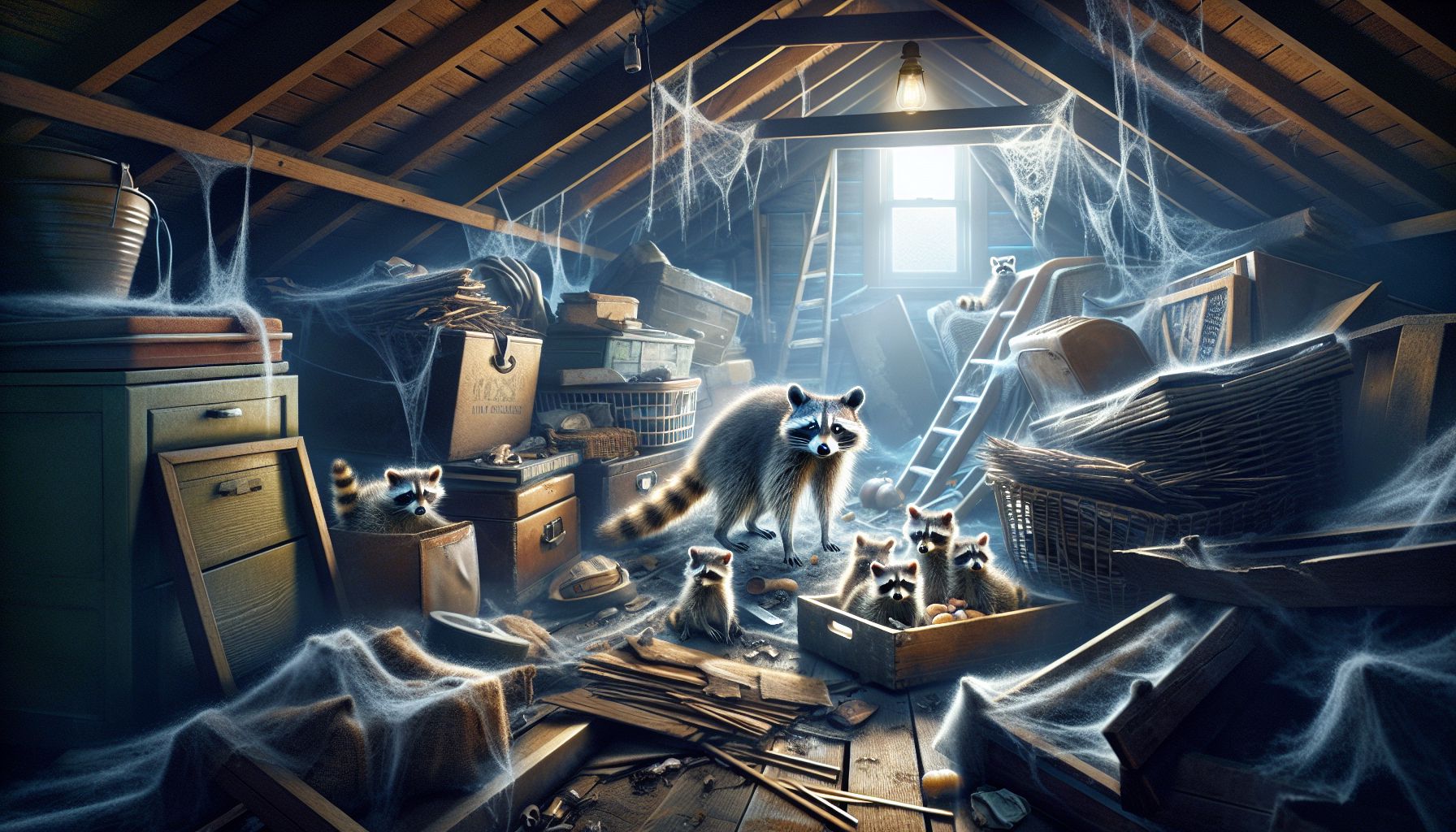
Raccoons are well-known invaders of attics in many urban environments as they seek shelter. In a city, say Toronto, they frequently nest in attics due to its suitable climate and age-old housing structures. However, removing raccoons from an attic too soon can have complications for both the human inhabitants and the mammals in question.
The Perils of Incorrect Timing
Raccoons are nocturnal animals that use attics as resting locations during the day and as nesting sites for their offspring. In the birthing season, which typically happens in spring, a prematurely evacuated raccoon can often leave behind her young. They are unable to fend for themselves or exit the attic, leading to their death through starvation or dehydration.
Moreover, the decomposing bodies of these baby raccoons often result in strong odours and potential health risks to the home-owners. As stated by Toronto Wildlife Centre, individuals cant raise raccoon babies due to their complex physical, behavioural, and emotional needs.
Impact of Local Climate and Housing
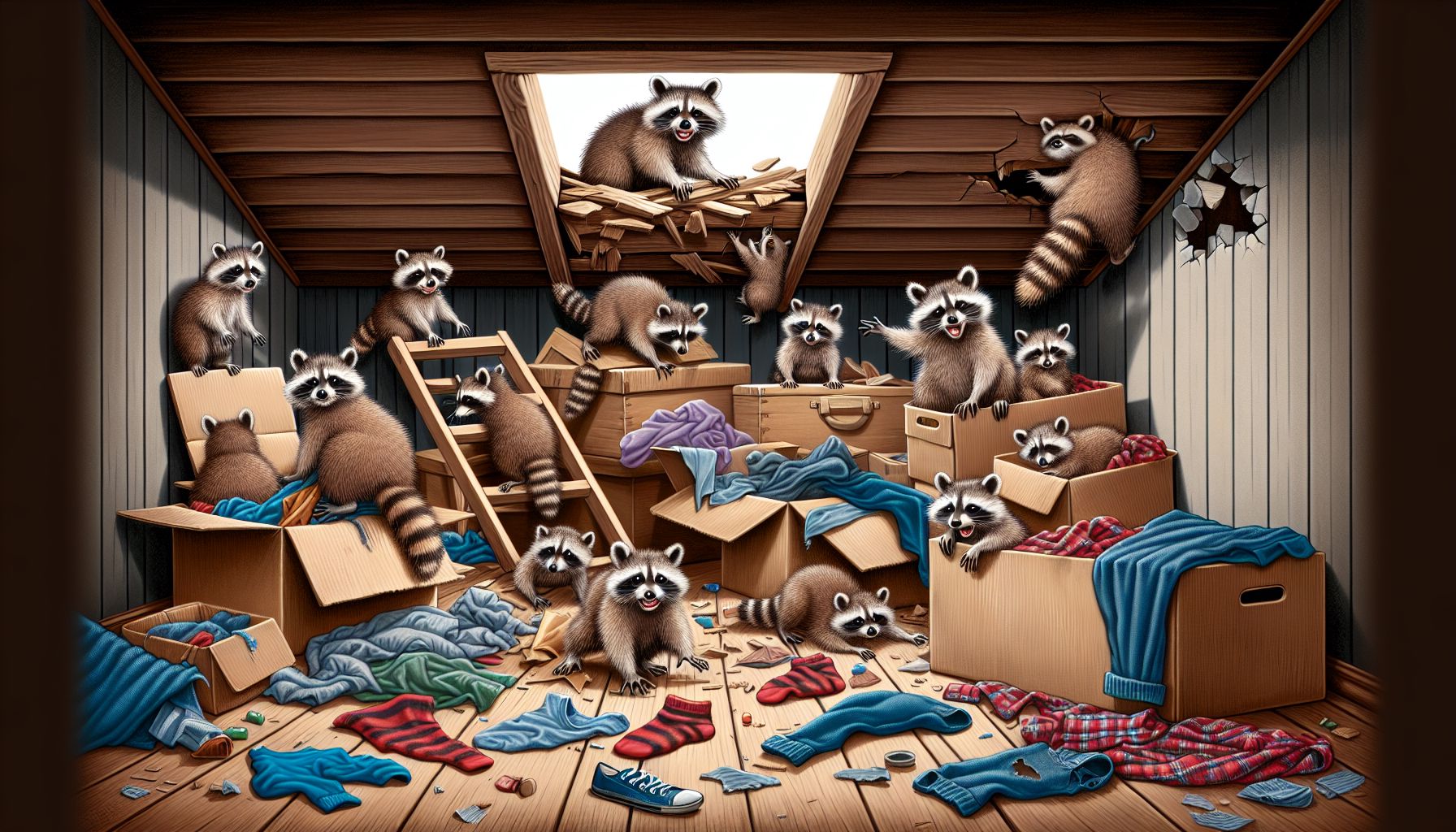
In cities like Toronto, where the climate endures long winters, raccoons seek out warm and safe shelters in attics to hibernate and raise their young. The abundance of old structures and houses within the city further encourages their infiltration. Therefore, an early removal can negatively impact the raccoons who rely on these shelters to survive the harsh seasons.
Understanding Raccoon Behaviour
Raccoons are highly intelligent and adaptable. If a mother raccoon is removed from an attic prematurely, she will typically try to return to her young. This can lead to an escalation in her destructive behavior. The animal could cause significant damage to the building, trying to get back to her offspring left behind inside.
In other instances, when a raccoon nest is disturbed, the mother may shift her young to another location within the same building. This event results in a recurring problem for the residents. The Humane Society discusses the intelligence and adaptability of raccoons that often results in such problem recurrence.
Concluding Thoughts
Removal of raccoons from an attic too early can lead to various challenges. It’s not just about the immediate issue of unwanted intruders, but also about the long-term implications for the wildlife. Always remember that beneath our cities’ bustling surface, a dynamic ecosystem exists. The urban wildlife, including raccoons, contribute to this ecosystem and coexist with human inhabitants. One must treat such scenarios sensitively, considering the ecological impacts alongside human inconvenience.
Furthermore, not every DIY fix can provide sustainable solutions, as it often overlooks the behavior and life cycle of these animals. Thus, a holistic understanding is crucial. An informative resource like wildlife.ca provides greater insight into our cohabitors’ lives, fostering a forward-thinking approach to living harmoniously with urban wildlife.
Hence, a removal needs to be timed well, usually post-weaning of the babies, and should ideally be carried out by a wildlife professional to mitigate adverse outcomes.