Category: Uncategorized

  • Why One-Way Doors Are Safer Than Traps for Raccoon Removal

    Why One-Way Doors Are Safer Than Traps for Raccoon Removal

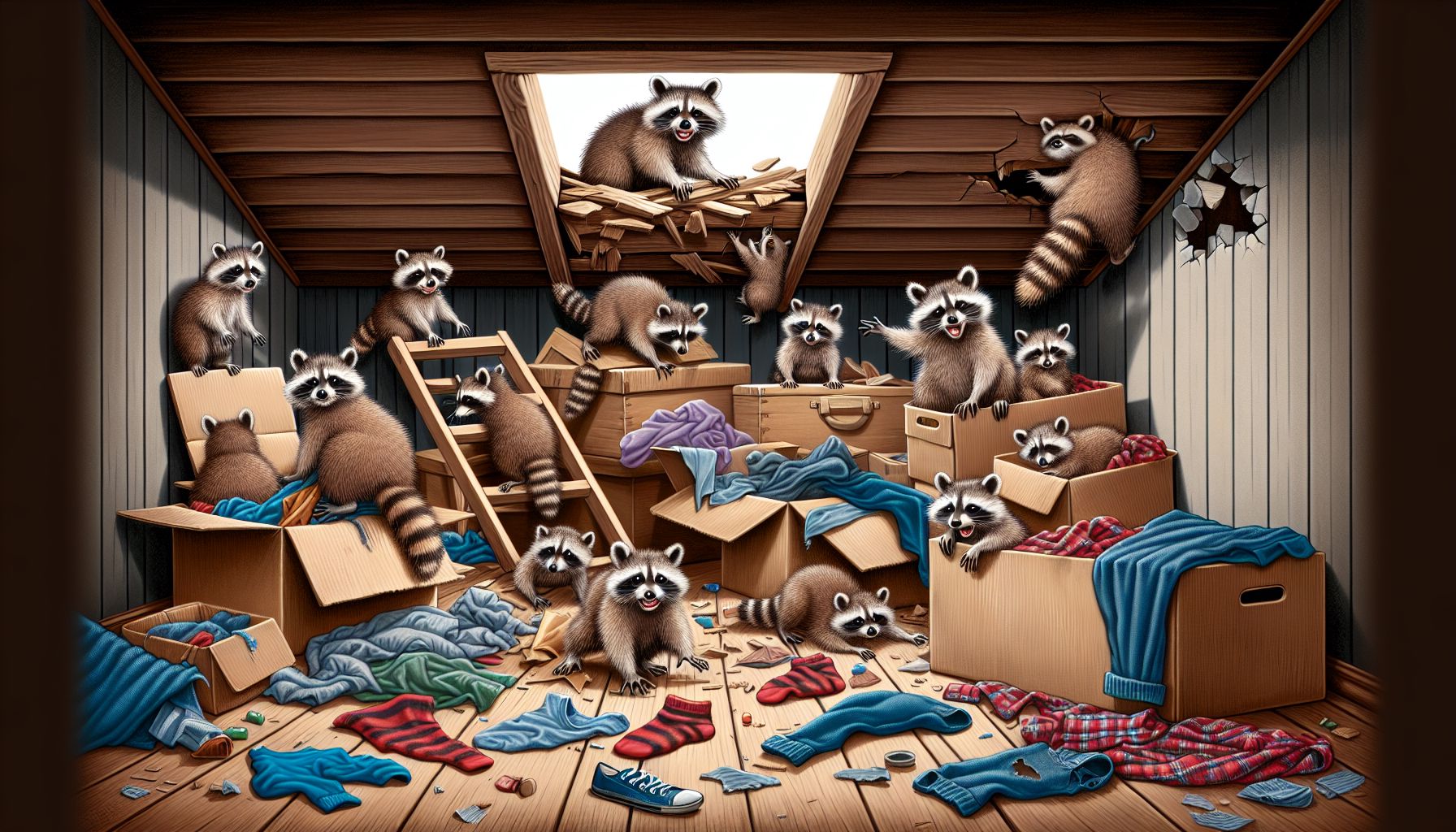
    Raccoons often find shelter in urban and suburban homes, especially in regions like the Pacific Northwest where old houses with wooden eaves and large attics are common. They seek warmth and safety, especially during colder months. Homeowners and wildlife observers frequently face the challenge of removing raccoons when they enter attics, chimneys, or crawl spaces. Two common removal methods are one-way doors and live traps. This article explains why one-way doors generally offer a safer option compared to traps for raccoon removal, especially in the context of regional housing and environmental factors.

    How One-Way Doors Work

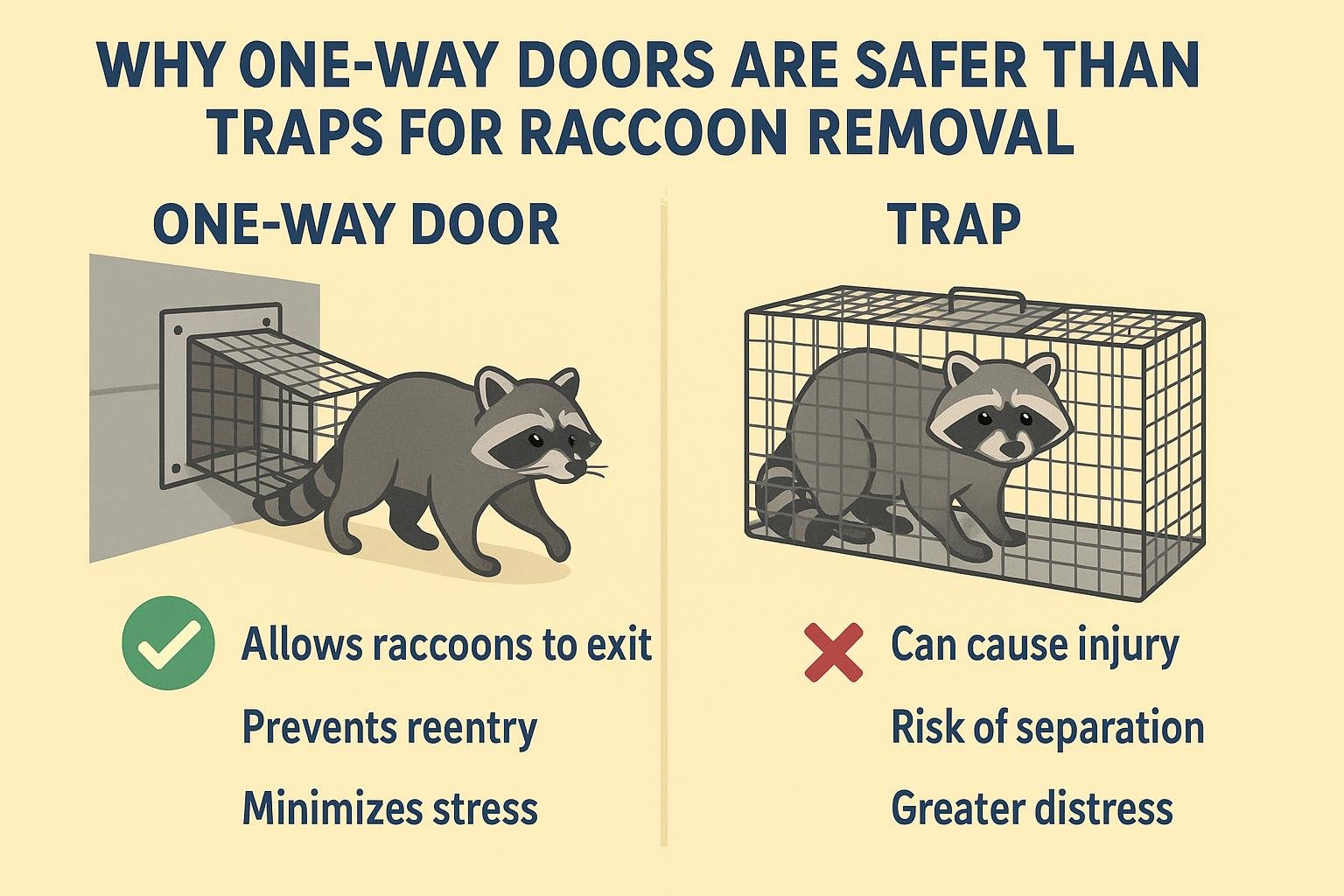
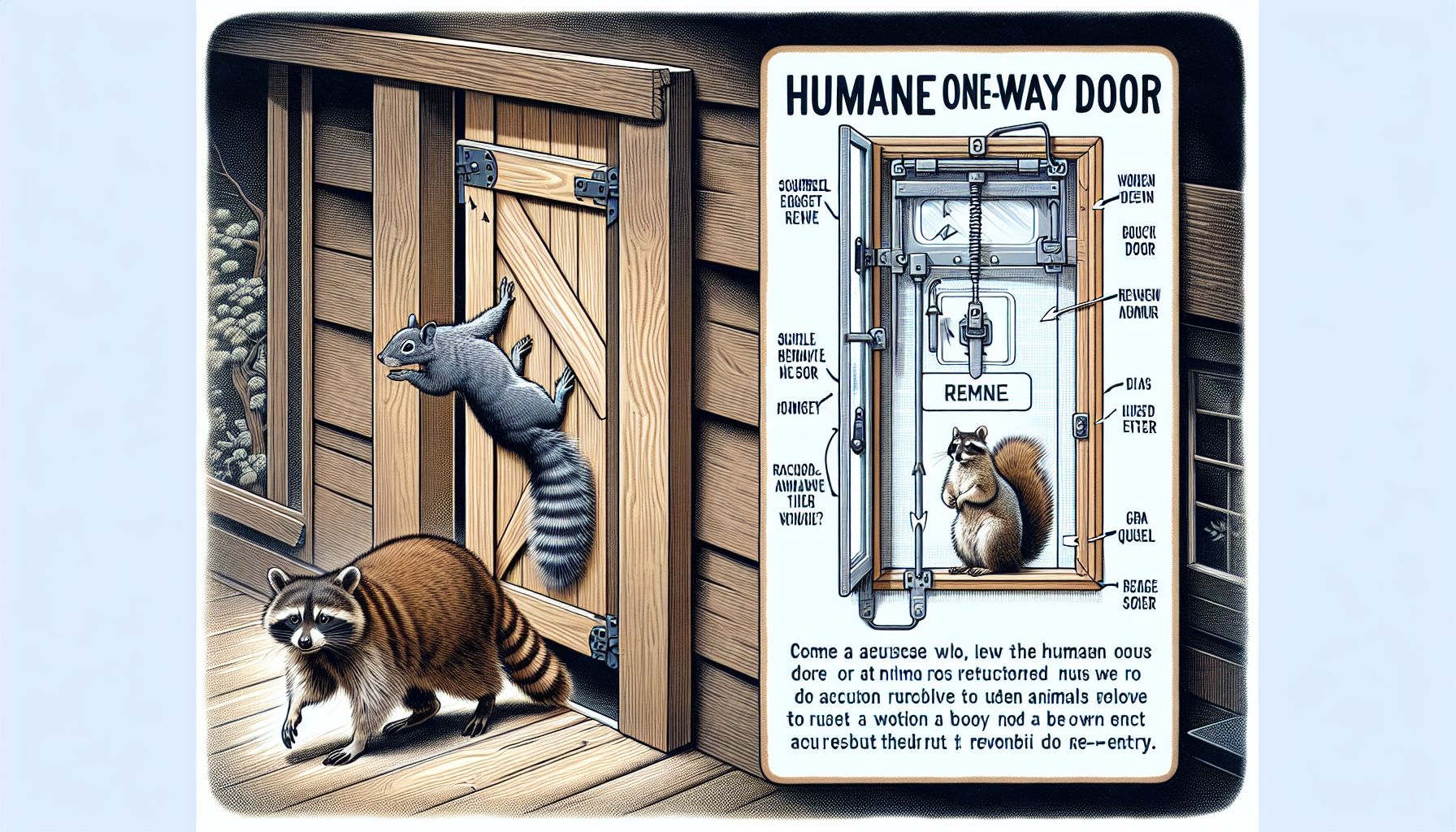
    A one-way door is a device that allows raccoons to leave a space but not to re-enter. It fits over an identified exit point, such as an attic vent or chimney. When a raccoon tries to leave, it pushes the door open, but the door closes behind it, preventing return. The animal then leaves the structure and finds natural shelter elsewhere.

    Using one-way doors relies on an understanding of raccoon behavior. Raccoons typically seek to exit a disturbed or confined space when possible. One-way doors align with this instinct by offering an easy exit without stress points caused by capture or confinement.

    Reasons One-Way Doors Are Safer for Raccoons

    1. Reduced Injury Risk

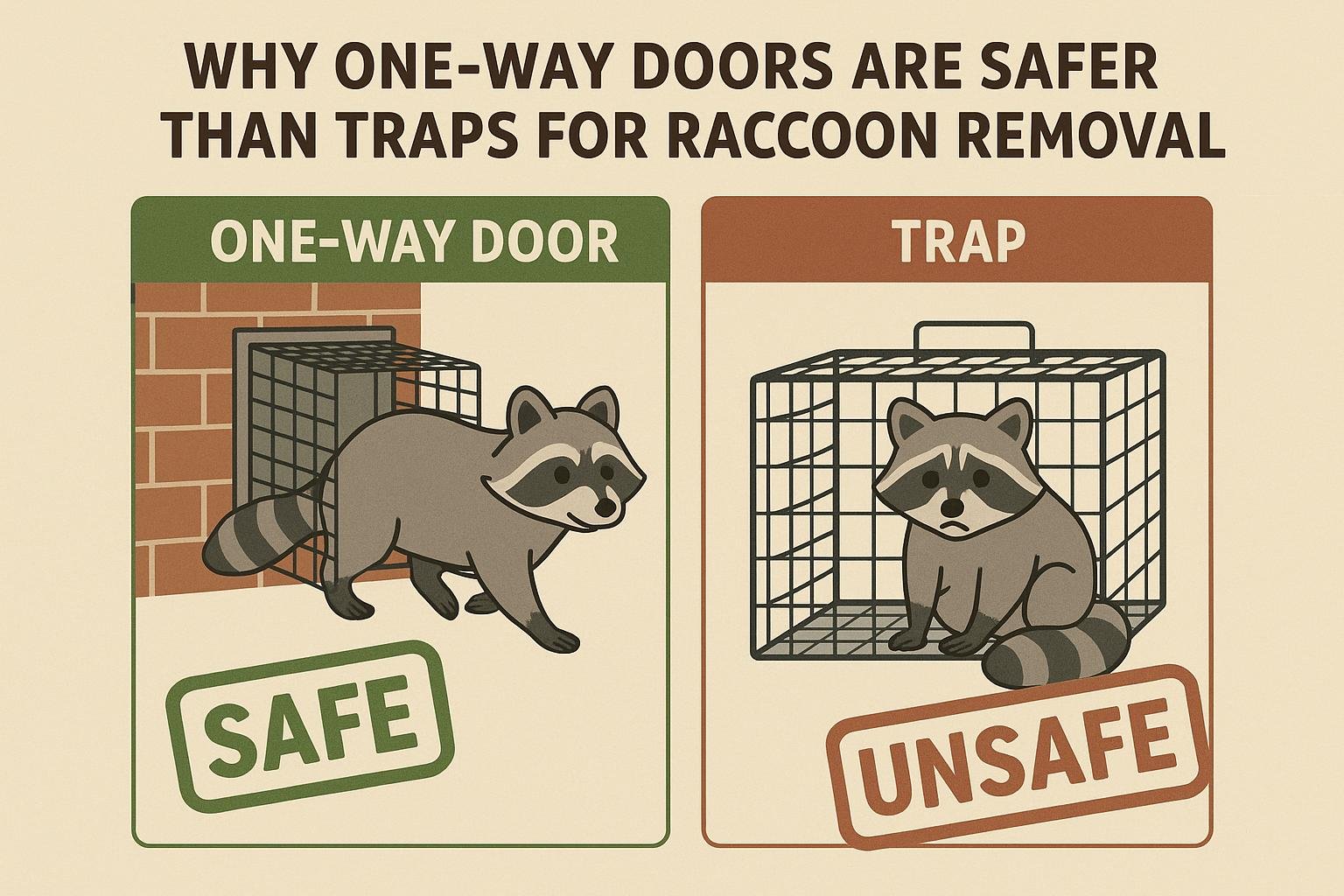
    Traps can injure raccoons. Many cage traps close abruptly, which can cause bruises, broken limbs, or stress-related injuries. Raccoons often struggle inside traps, increasing the chances of harm. One-way doors avoid confinement entirely, allowing the animal to move freely and calmly out of a space, reducing physical harm.

    2. Lower Stress Levels

    Trapping confines raccoons to a small area, often in bright or noisy environments away from their usual shelter. This confinement causes significant stress, which affects their well-being. One-way doors allow a raccoon to leave voluntarily, minimizing panic or distress during the removal process.

    3. Prevention of Re-Entry

    One-way doors physically block the return passage. Traps remove raccoons temporarily but do not always prevent other raccoons from entering or the same individual from finding another entry. Blocking the entry point with a one-way door ensures the problem is less likely to recur until a proper seal is completed.

    Challenges and Considerations

    Seasonal Restrictions

    In many areas like Seattle or Portland, raccoon removal is subject to local wildlife regulations. During birthing seasons, trapping or exclusion can be illegal to avoid separating mothers from their young. One-way doors may risk trapping juveniles inside if installed prematurely. Knowledge of local laws and raccoon life cycles is essential.

    Multiple Animals

    Raccoons often behave in family groups. One-way doors allow one or more animals to leave but do not remove all occupants immediately. Traps can catch multiple animals if set properly. However, trapping uses more equipment and poses higher risks.

    Structural Factors

    Older homes with loose or extensive attic access points can make installation of one-way doors challenging. Vents or gaps may be irregular or fragile. Physical inspection to identify the main entry is required to place a one-way door effectively. Traps may be placed inside a den area but may not prevent other entry points from being used.

    Why Traps Are Less Ideal

    Traps require regular monitoring. Without frequent checks, trapped raccoons can suffer from dehydration, starvation, or exposure, especially in urban environments. Trapped animals also risk attracting predators or cause public safety concerns if left unattended.

    Traps often cause heightened stress to raccoons, risking bites or scratches during handling. Injuries can occur while animals try to escape. Many homeowners and wildlife observers report complications when moving raccoons caught in traps due to unpredictable behavior.

    Regional Environmental Context

    In the Pacific Northwest, raccoons thrive in suburban neighborhoods with mature trees, abundant water sources, and older housing stock. Many homes have multiple roof vents, gaps, and chimney openings. This environment facilitates common entry points for raccoons. Repairing the structural vulnerabilities often comes after the animals have been excluded, which one-way doors support effectively.

    The mild winters allow raccoons to remain active year-round, increasing the chance of re-entry without permanent exclusion. One-way doors help reduce repeat intrusions over time by allowing temporary escape while preventing re-entry.

    Summary of Pros and Cons

    | Method | Pros | Cons |
    |—————–|——————————————-|——————————————|
    | One-Way Doors | Low injury and stress risk, prevents return, aligns with natural behavior | May not exclude all animals immediately, depends on correct installation, potential legal restrictions during birthing season |
    | Traps | Allows capture of multiple animals, immediate physical removal | High injury and stress risk, requires frequent monitoring, risk of escape or ill-treatment |

    Conclusion

    One-way doors offer a generally safer and less stressful method for removing raccoons from buildings compared to traps. They reduce injury risk and support natural raccoon behavior by allowing voluntary exit. In many parts of the Pacific Northwest, they fit well with typical house structures and seasonal raccoon activity patterns. However, their effectiveness depends on proper identification of entry points, knowledge of local regulations, and careful timing in relation to raccoon breeding cycles. Understanding these factors provides insight into why one-way doors remain a preferred tool for humane raccoon exclusion in residential settings.

  • Fall Squirrel Activity: Why Humane Exclusion Is Critical Before Winter

    Fall Squirrel Activity: Why Humane Exclusion Is Critical Before Winter

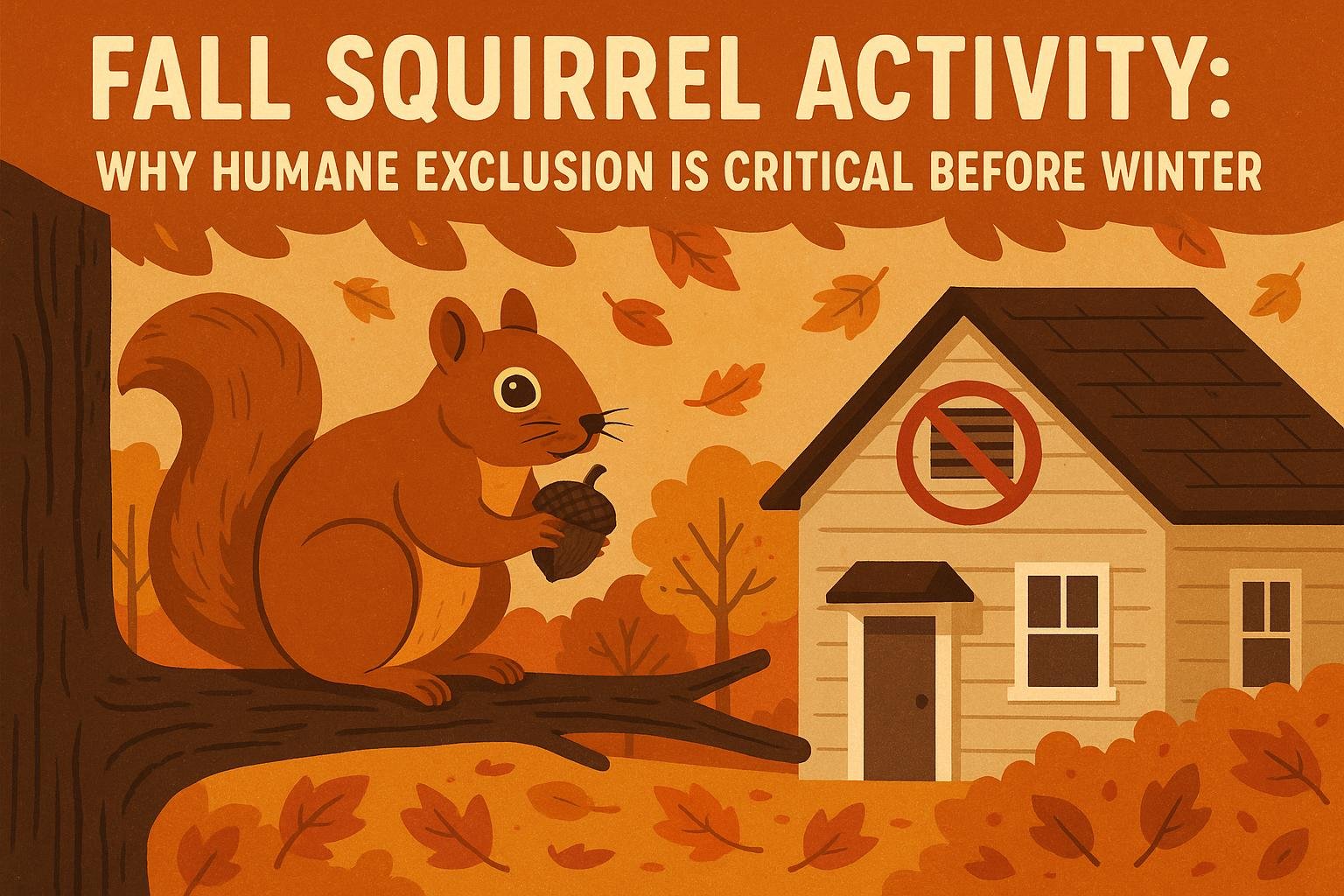
    As fall arrives in regions like Chicago, Cleveland, and Detroit, squirrels become more active in and around residential areas. This behavior often leads to encounters with homes and other structures. Understanding why squirrels behave this way and the importance of humane exclusion methods before winter helps residents respond appropriately to recurring issues.

    Squirrel near home structure

    Seasonal Behavior of Squirrels

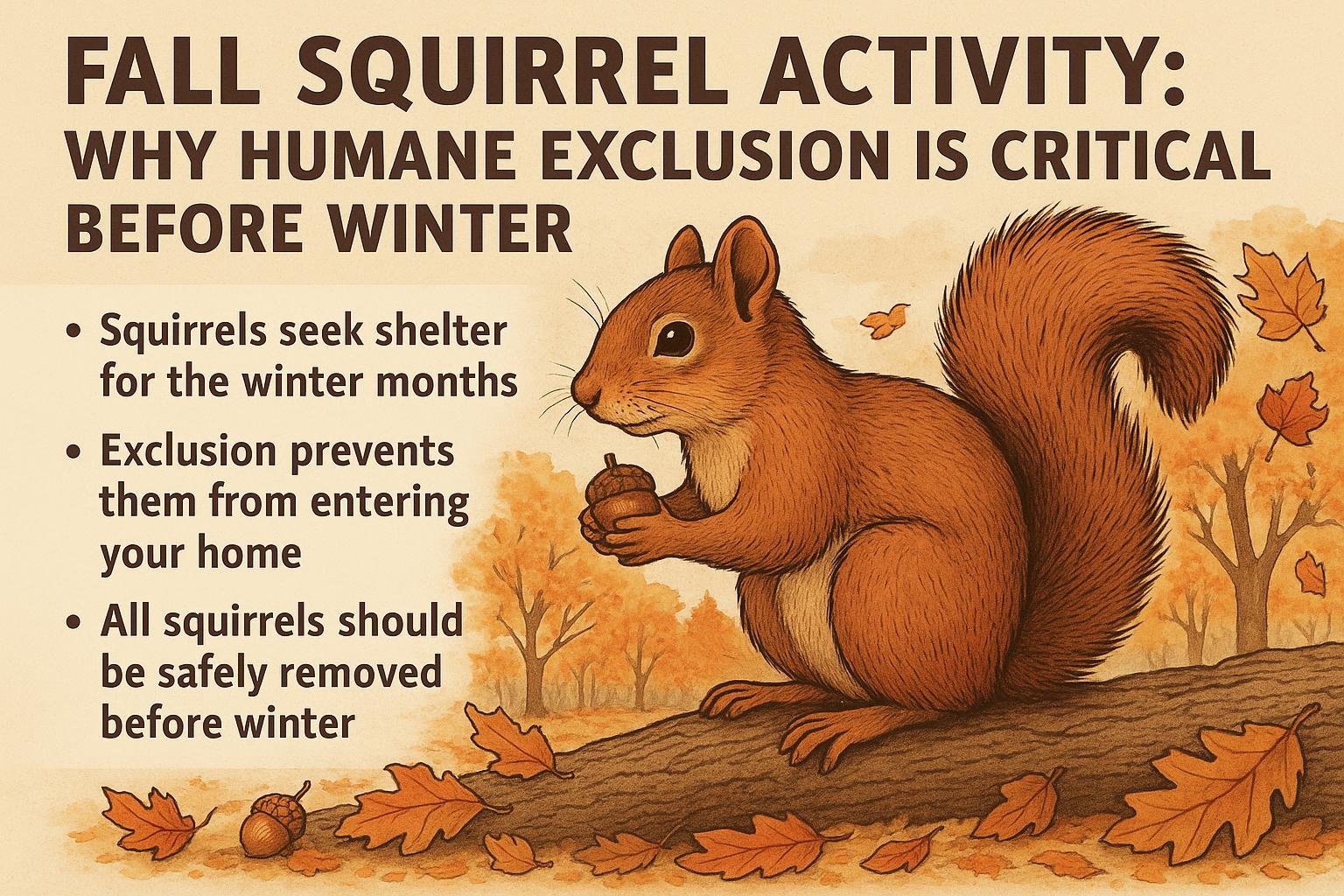
    Squirrels, especially tree squirrels common to the Midwest urban and suburban environments, prepare extensively for winter during fall. They gather nuts and seeds, build nests, and seek warm, sheltered places to survive cold months. In many cases, they explore attics, chimneys, and other structural voids as potential den sites.

    This increased activity leads to heightened chances of squirrels finding entry points into houses. Rooflines, soffits, vents, and gaps around eaves become access points. Structures with older siding or worn seals near windows and vents are particularly vulnerable to squirrel entry.

    Why Squirrels Enter Homes in Fall

    Homes offer warmth and shelter that outdoor nests cannot match during winter. Squirrels look for cavities that provide protection from wind, rain, and predators. Attics, wall spaces, and chimney areas often provide insulated, dry environments. The food stores inside homes, such as accessible bird feeders, can also attract squirrels.

    Fall weather in Midwest cities typically fluctuates, with early cold spells prompting squirrels to seek secure indoor spaces. This seasonal pressure results in more frequent incursions.

    Typical Entry Points and Vulnerabilities

    Older homes in cities like Milwaukee and Columbus tend to have more structural vulnerabilities. Common entry points include:

    • Damaged roof shingles or missing tiles.
    • Gaps around chimney flashing or vents.
    • Broken or loose soffits and fascia boards.
    • Holes in attic vents or dryer vents not covered with mesh.
    • Loose window seals or cracks near foundation roofs.

    These points allow squirrels to squeeze through gaps as small as 1.5 inches. The animals can climb walls, trees near structures, or gutters to reach higher entry junctions.

    The Importance of Humane Exclusion Before Winter

    Humane exclusion refers to methods that remove squirrels from homes without harming them and then block re-entry points to prevent future invasions. Conducting humane exclusion before winter matters for several reasons:

    1. Prevents Infestations: Early exclusion stops squirrels from establishing nests inside homes. If a squirrel nests indoors and produces young, the problem multiplies.

    2. Protects Structural Integrity: Squirrels often chew on wood, wiring, and insulation. Damage during winter when help is harder to reach increases repair costs.

    3. Avoids Conflicts: Squirrels that get trapped indoors during colder months may become aggressive or distressed, raising risks to humans and pets.

    4. Considers Animal Welfare: Humane methods avoid injury or death. Fall exclusion respects the animal’s natural behaviors and seasonal needs by encouraging outdoor survival in natural habitats.

    5. Reduces Recurrence: Proper sealing after removal deters future invasions, minimizing seasonal re-entry attempts that are common if only partial fixes occur.

    Challenges in DIY and Partial Fixes

    Many homeowners attempt to stop squirrel entry using simple fixes like chimney caps or sealing visible holes. These efforts often fail for several reasons:

    • Squirrels are persistent and can find new or overlooked points.
    • Partial sealing may trap squirrels already inside, causing distress.
    • Without understanding squirrel behavior, some fixes unintentionally make structures more accessible.
    • DIY repairs sometimes use materials not suited to withstand chewing or weather.

    Therefore, understanding the timing and behavior of squirrels before winter helps in planning exclusion strategies that work.

    Impact of Local Climate and Urban Environment

    In cities such as Pittsburgh or Cleveland, fall weather can shift quickly from mild to freezing. These changes influence squirrel urgency to seek shelter indoors. Urban landscapes with abundant trees close to homes encourage squirrel activity near rooftops.

    Older neighborhoods with mature, large trees tend to have more squirrel presence compared to areas with younger or fewer trees. Additionally, urban squirrels have adapted behaviors allowing them to live near humans, increasing interactions with housing.

    Legal Notes on Wildlife Exclusion

    Local regulations in many Midwest states protect squirrels as native wildlife. These laws often restrict lethal control and mandate humane methods when dealing with nuisance wildlife. Fall is typically considered an allowed season for exclusion since young squirrels are often independent by then, reducing risks to dependent young animals.

    Permits and regulations vary by municipality, so residents should be aware of local rules regarding wildlife removal to ensure compliance.

    Conclusion

    Observations from Midwestern cities highlight that fall squirrel activity peaks as the animals prepare for winter. The increase in entry attempts correlates with weather changes and shelter needs. Humane exclusion done before winter reduces damage, prevents home invasion escalation, and supports animal welfare.

    Home structures with known gaps or deteriorations near roof or vent areas face greater risks of squirrel intrusion. Understanding the timing and drivers of squirrel behavior informs better management that balances human and wildlife interests in regional urban and suburban settings. This seasonal pattern repeats annually, emphasizing the need for thoughtful, preventative measures before the onset of cold weather.

  • Attic Wildlife Removal: How Humane Methods Prevent Orphaned Animals

    Attic Wildlife Removal: How Humane Methods Prevent Orphaned Animals

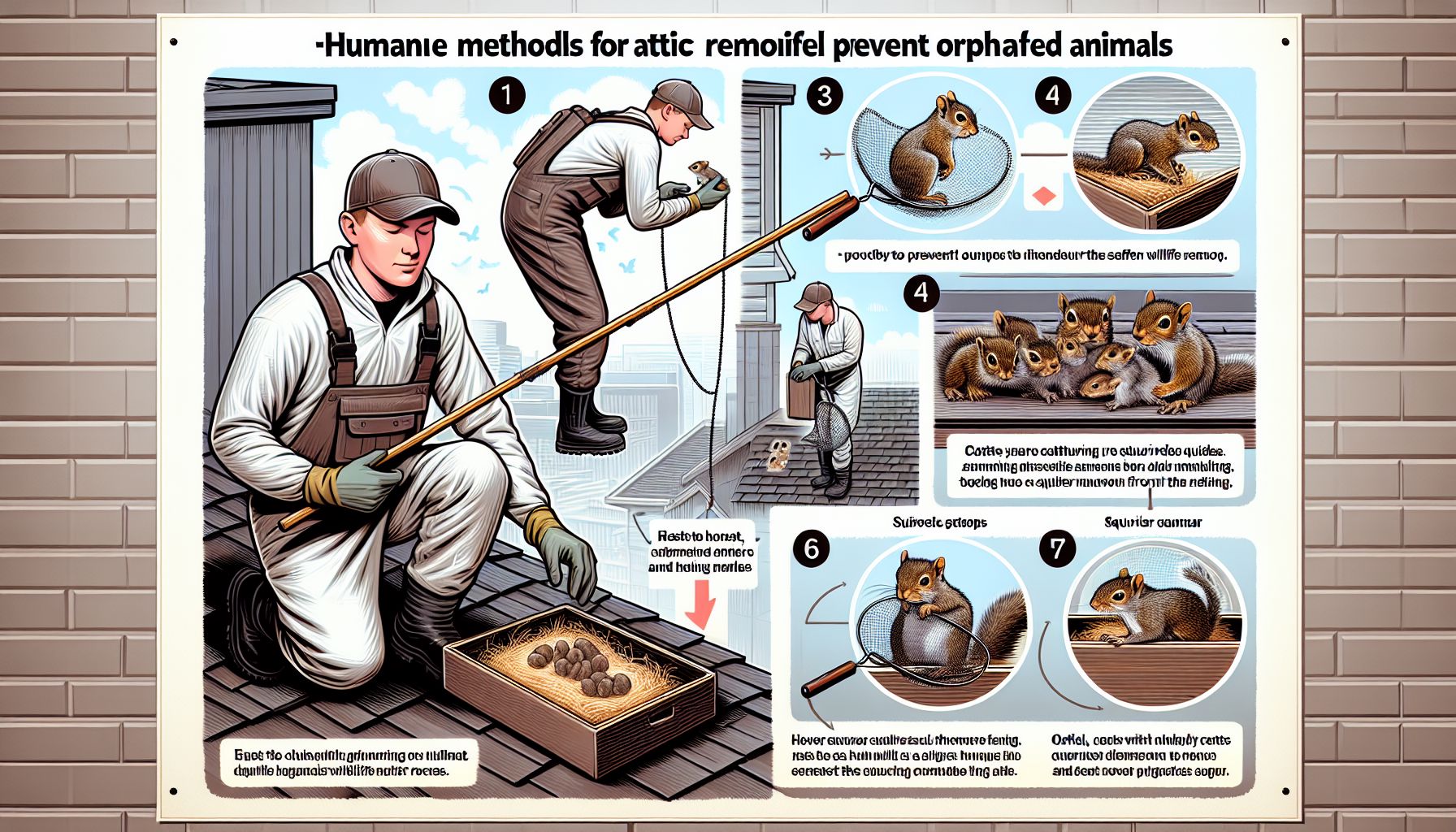
    In city environments, the presence of wildlife in attics has become a recurring pattern. Human habitations, particularly attics, offer shelter and warmth to various animals, making them ideal for nesting and rearing offspring. As a result, professional wildlife removal services often encounter baby animals in these spaces. This article examines the importance of using humane removal methods to prevent orphaning young wildlife.

    The Significance of Humane Removal Methods

    Humane wildlife removal prioritizes the welfare of animals and serves to minimize stress or injury. These methods commonly include eviction fluids, one-way doors, and hands-on removal. Observational evidence from city environments suggests that these methods allow for the safe and gentle relocation of animals, including the vulnerable young.

    The use of humane methods plays an important role in preventing young animals from becoming orphaned. When properly performed, it ensures that adult animals aren’t separated from their dependents.

    The Problem with Inhumane Methods and DIY Fixes

    In contrast to humane methods, traps and poison often lead to the cruel death of wildlife or separation of young from their mothers. For instance, if an adult raccoon is caught and relocated far from its attic nest, the babies will be left vulnerable and unable to survive on their own. Similarly, do-it-yourself approaches can inadvertently lead to the same consequences.

    In city infrastructure, these inhumane methods lead to recurring wildlife issues. The death or removal of one animal often opens up space for another, starting a cyclic pattern of invasion and removal. Furthermore, it can also lead to the phenomenon of ‘ghost nests,’ where young animals are left abandoned and starve to death in hidden crevices of the building.

    A Look at Wildlife Behaviour and Seasonality

    Understanding the seasonal behaviour of wildlife plays a fundamental role in humane attic wildlife removal. For instance, different species breed at different times of the year, and the young are often defenseless and dependent on their mothers for a particular length of time. In temperate climates of many cities, spring is a prime time for attic wildlife invasions as animals seek safe places to birth and raise their young.

    Without this knowledge, well-meaning individuals may inadvertently cause harm. Someone who discovers raccoons in their attic in spring, for instance, might remove the mother and, in doing so, orphan the newly-born kits left behind in the nest.

    Understanding Local Wildlife Laws

    A high-level understanding of local wildlife laws also becomes pertinent in the context of attic wildlife removal. Many cities have legal restrictions in place to protect wildlife, which often include rules against killing or relocating animals to unfamiliar habitats. These laws underscore the importance of humane methods and the prevention of orphaned animals.

    In Summary

    As cities continue to expand, periodic wildlife invasions in attics are a typical pattern. When dealing with these issues, it’s crucial to use humane methods that do not result in harmed or orphaned animals. Understanding the behaviour, breeding habits, and local laws related to wildlife can inform effective and humane solutions. In doing so, we can minimize harm and create a harmonious coexistence between humans and wildlife in our cities.

  • The Biggest Mistakes Homeowners Make During Baby Raccoon Season

    The Biggest Mistakes Homeowners Make During Baby Raccoon Season

    Observations within certain regions reveal consistent errors homeowners make during baby raccoon season. The spring months are typically when newborn raccoons appear, leading to an increase in raccoon encounters in urban and suburban areas.

    Misunderstanding Baby Raccoon Behavior

    One absolute mistake homeowners make is misunderstanding baby raccoon behavior. Young raccoons, like all wildlife, have specific habits and needs. Although they seem cute and harmless, baby raccoons can cause a variety of issues for homeowners. If given access, they can burrow into insulation, chew wires, or cause other property damage.

    Baby Raccoon

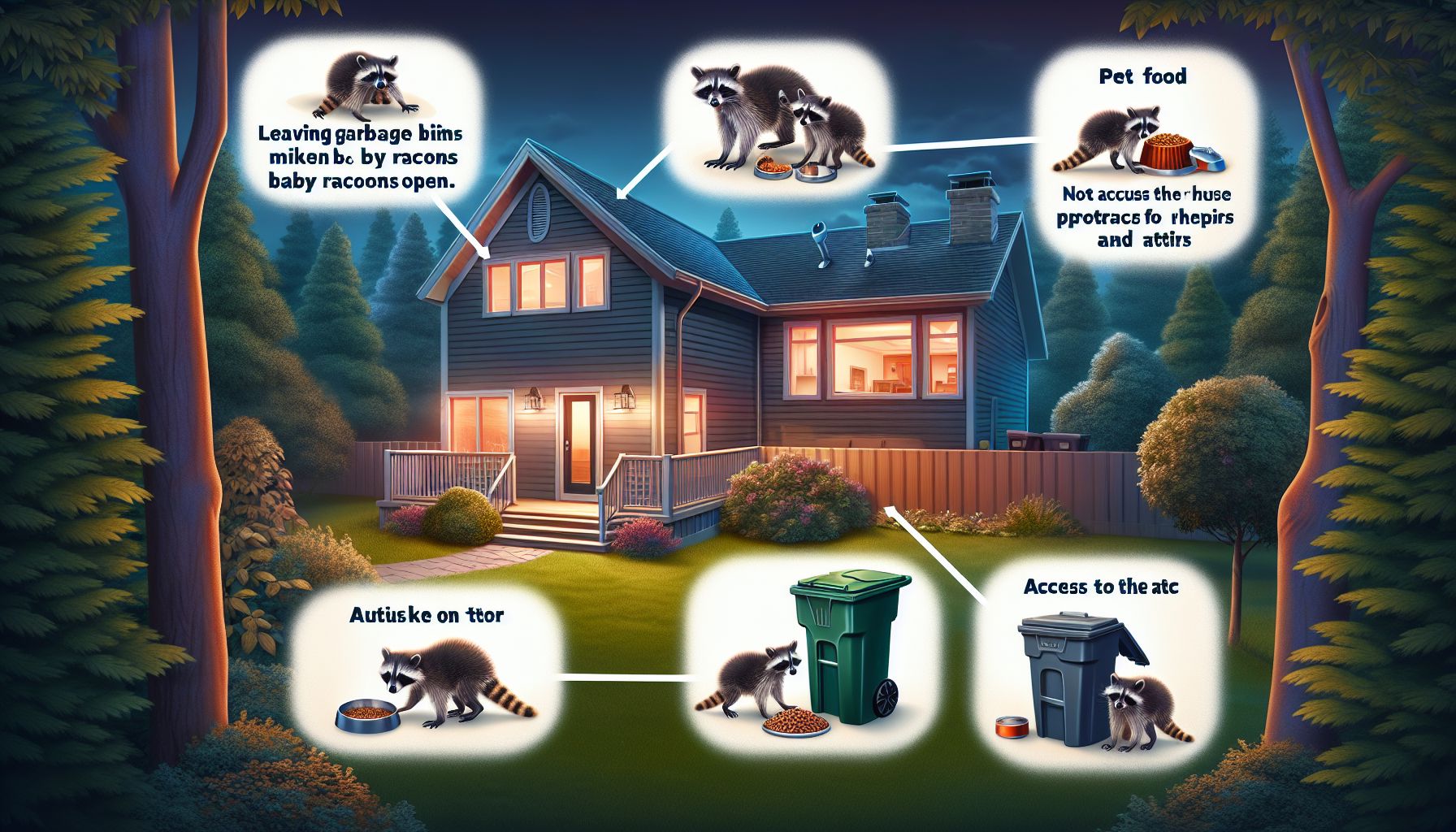
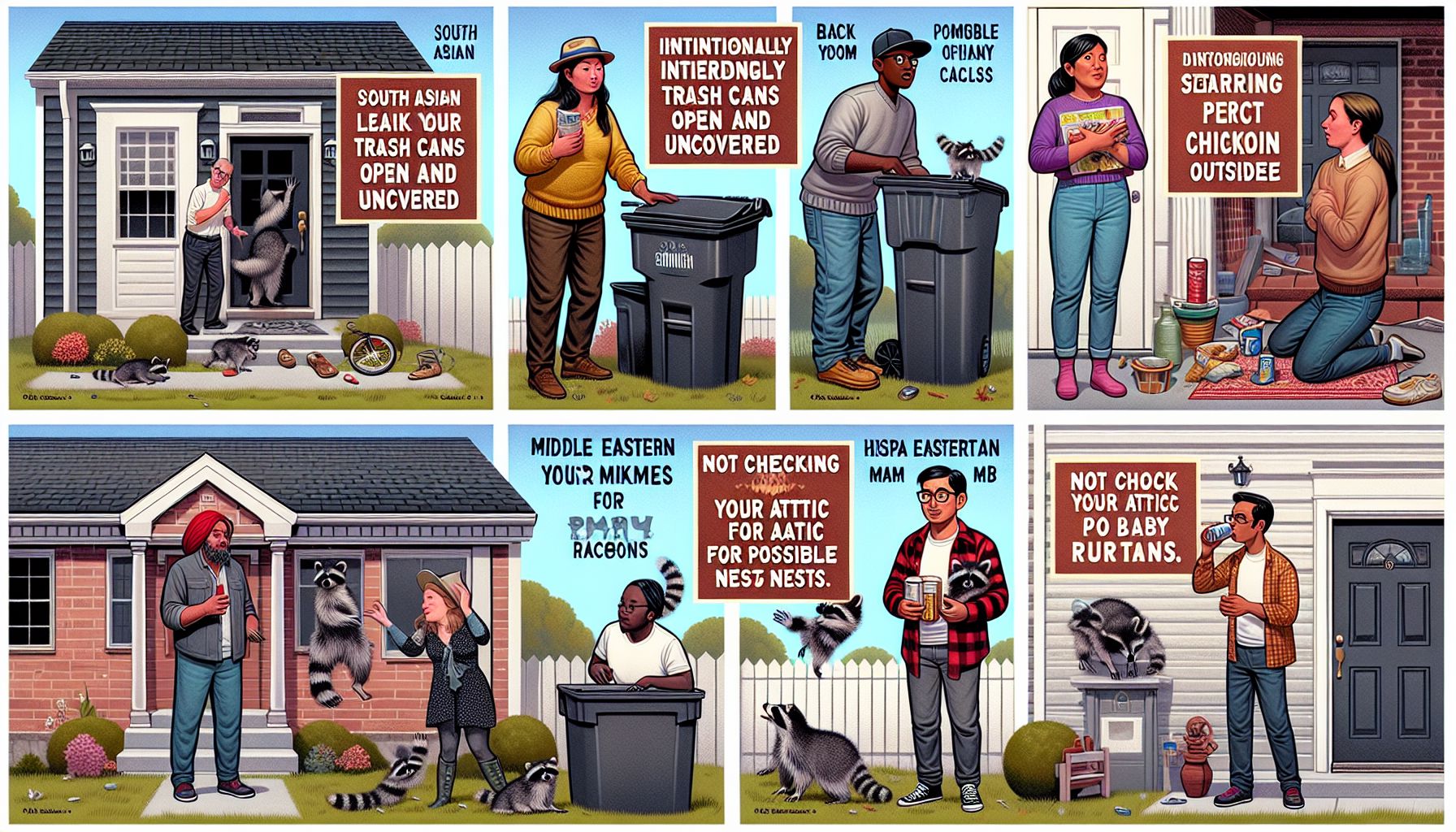
    For example, in many cases, raccoons become a nuisance around garbage bins. Unsecured trash, pet food, or compost are all attractive meals for these hungry omnivores. Yet, many homeowners in older, historic neighborhoods often underestimate the determination of baby raccoons, leading to regular disturbances or even property damage.

    Failure to Spot Signs of Raccoon Presence

    Homeowners, particularly in urban settings with old infrastructure types, often fail to recognize the signs of raccoon presence. Many believe they can simply ignore the problem and it will go away once the baby raccoons grow and move on. However, no evidence suggests this approach is effective or practical.

    Signs indicating a raccoon problem could include digging in the yard, tipped over garbage cans, or noises in the attic. This evidence is commonly dismissed or overlooked in suburban environments. Overlooking these signs can lead to population growth and ongoing raccoon issues.

    Incorrect Removal Techniques

    Contrary to popular belief, it is illegal in many cities to trap and remove raccoons without a license. However, homeowners often make the mistake of using DIY removal techniques, which can result in injury to themselves, damage to their property, or harm to the raccoons.

    Due to regional laws, homeowners should avoid trying to remove the raccoons from their property by themselves. Incorrect removal techniques can be counterproductive. Often, these result in the mother becoming separated from her babies, which can lead to more significant problems down the line.

    Conclusion

    In a nutshell, common mistakes during baby raccoon season involve misunderstanding behavior, failing to spot signs of raccoon presence, and resorting to inappropriate removal techniques. Regrettably, these mistakes are not unusual in many urban and suburban neighborhoods.

    Awareness and education about raccoons and their habits can alleviate many of these problems. For instance, being aware of the signs of raccoon presence can help homeowners to make necessary adjustments to their trash storage systems, thus mitigating potential disturbances. Understanding that an unlicensed and ill-equipped person should not attempt to remove raccoons will also spare homeowners and raccoons alike from unnecessary harm.

    While raccoons are an integral part of our ecosystem, their proximity to human dwellings can lead to conflict. However, by avoiding these common mistakes, homeowners can ensure a peaceful coexistence with these native creatures.

  • Humane Skunk Removal: Protecting Families Without Trapping or Harm

    Humane Skunk Removal: Protecting Families Without Trapping or Harm

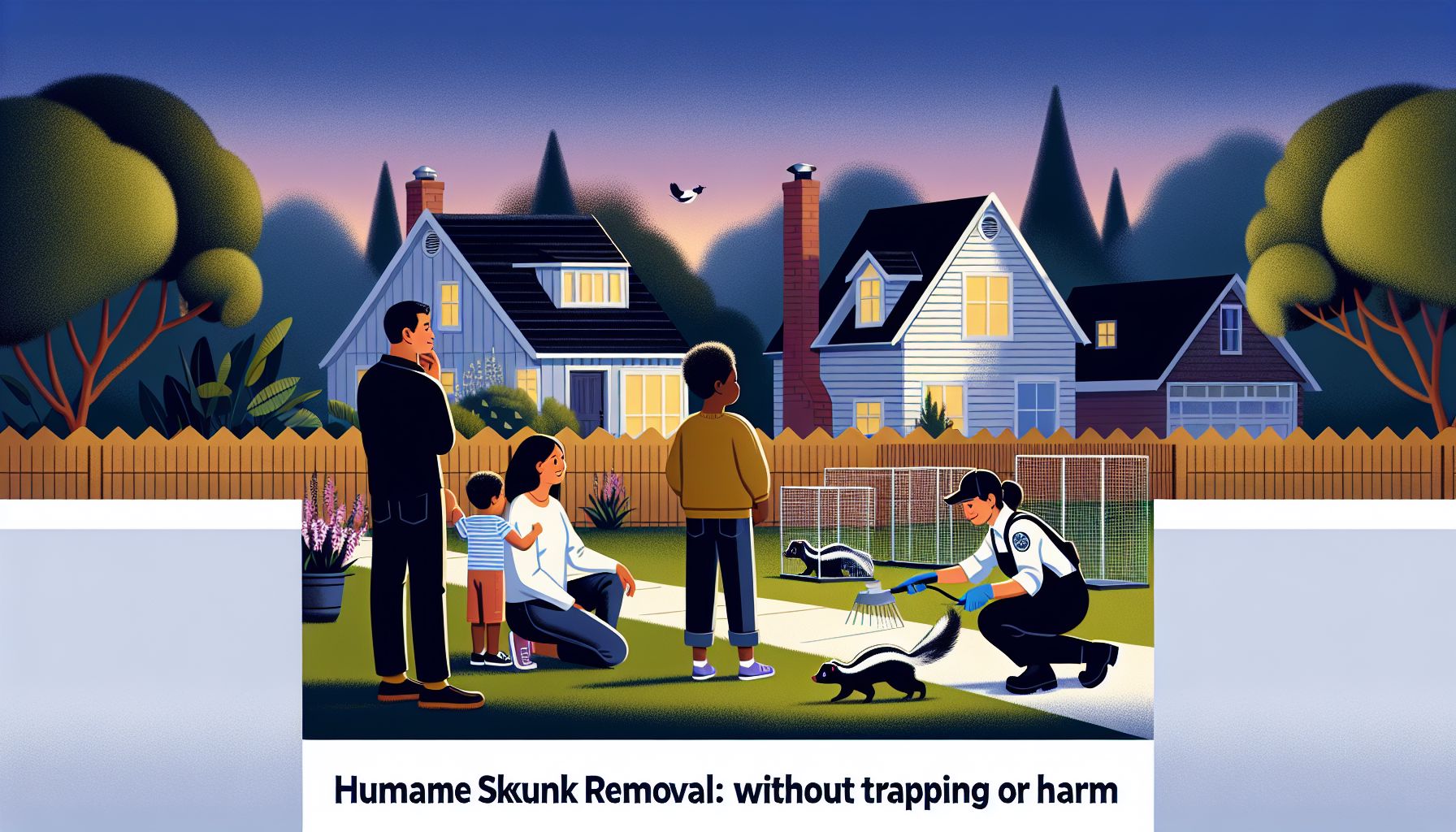
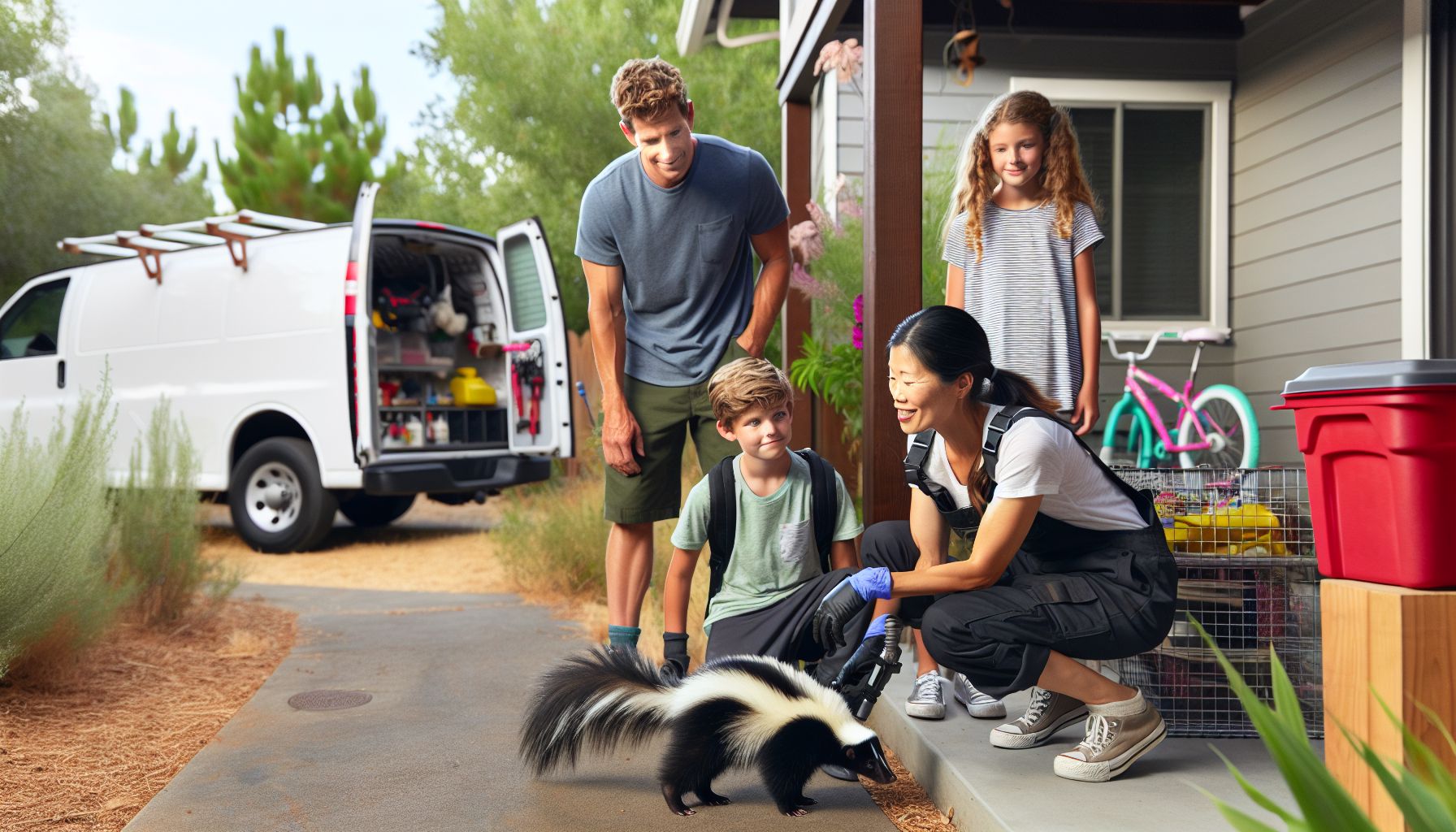
    Living in close proximity to wildlife can bring us into regular contact with various species. One such species is the skunk, known for its pungent defense mechanism. When skunks establish their homes near our living spaces, they can become a nuisance and pose a potential threat to families. Humane skunk removal practices ensure that these animals are treated ethically and with respect. These methods focus on encouraging the skunks to leave on their own accord without causing harm.

    Skunks in Urban Areas

    In urban areas with a lot of green spaces, such as parks and gardens, it is not uncommon to encounter skunks. Their appearance in our surrounding environment is often due to factors like abundant food supply and suitable habitats. While they generally do not pose a significant threat to humans, their odor can be uncomfortable. In addition, they can cause damage to properties by digging holes in search of insects and grubs.

    Image of a skunk

    Observing Skunk Behavior

    Skunks are primarily nocturnal creatures, and they can be seen scurrying around in search of food during the dusk hours. They are not aggressive by nature but can spray their infamous odor when they sense danger. Skunks will typically try to warn off potential threats by raising their tail and stomping their feet before releasing their spray.

    Humane Approaches to Skunk Removal

    Humane skunk removal revolves around not causing unnecessary stress or harm to the animals. Instead of trapping, harmful devices, or chemicals, these methods involve subtle techniques such as habitat modification and natural deterrents. These steps can often lead the skunk to leave the area:

    Habitat Modification

    Limit the attractions that might lure a skunk to your property. This can involve securing trash bins, removing pet food from outside areas, and sealing off potential den sites such as under decks or sheds.

    Natural Deterrents

    Use natural deterrents, such as citrus peels or motion-activated lights or sprinklers, to encourage skunks to leave.

    Local Regulations Regarding Skunk Removal

    In many regions, regulations dictate how skunk removal should be approached to ensure the well-being of the animals. For example, in some cases, it is seen as illegal to trap and relocate skunks without a permit. Make sure to research your local regulations to uphold ethical, legal standards while dealing with skunk intrusion.

    Final Thoughts

    While skunks can indeed pose a nuisance or threat in and around urban homes, it’s essential to remember that these creatures are an integral part of the ecosystem. Humane skunk removal practices allow us to manage skunk intrusions without causing harm to the animals. These methods involve knowledge of skunk behavior, employing deterrents, and modifying habitats while observing local regulations pertaining to wildlife removal. This process ensures our safety and the well-being of the skunk population, promoting peaceful co-existence.

  • What Happens If You Remove Raccoons From an Attic Too Early?

    What Happens If You Remove Raccoons From an Attic Too Early?

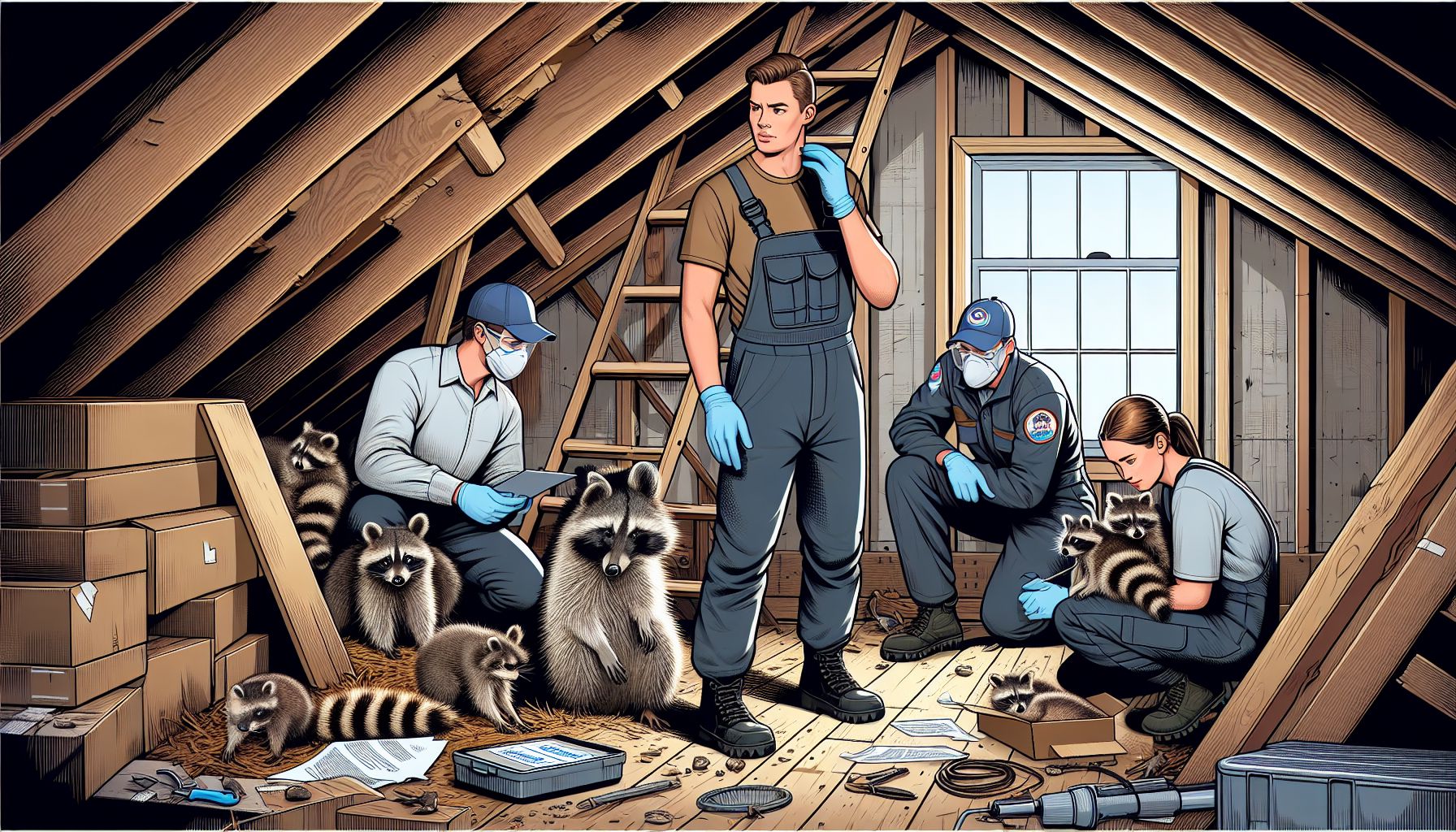
    Raccoons are well-known invaders of attics in many urban environments as they seek shelter. In a city, say Toronto, they frequently nest in attics due to its suitable climate and age-old housing structures. However, removing raccoons from an attic too soon can have complications for both the human inhabitants and the mammals in question.

    The Perils of Incorrect Timing

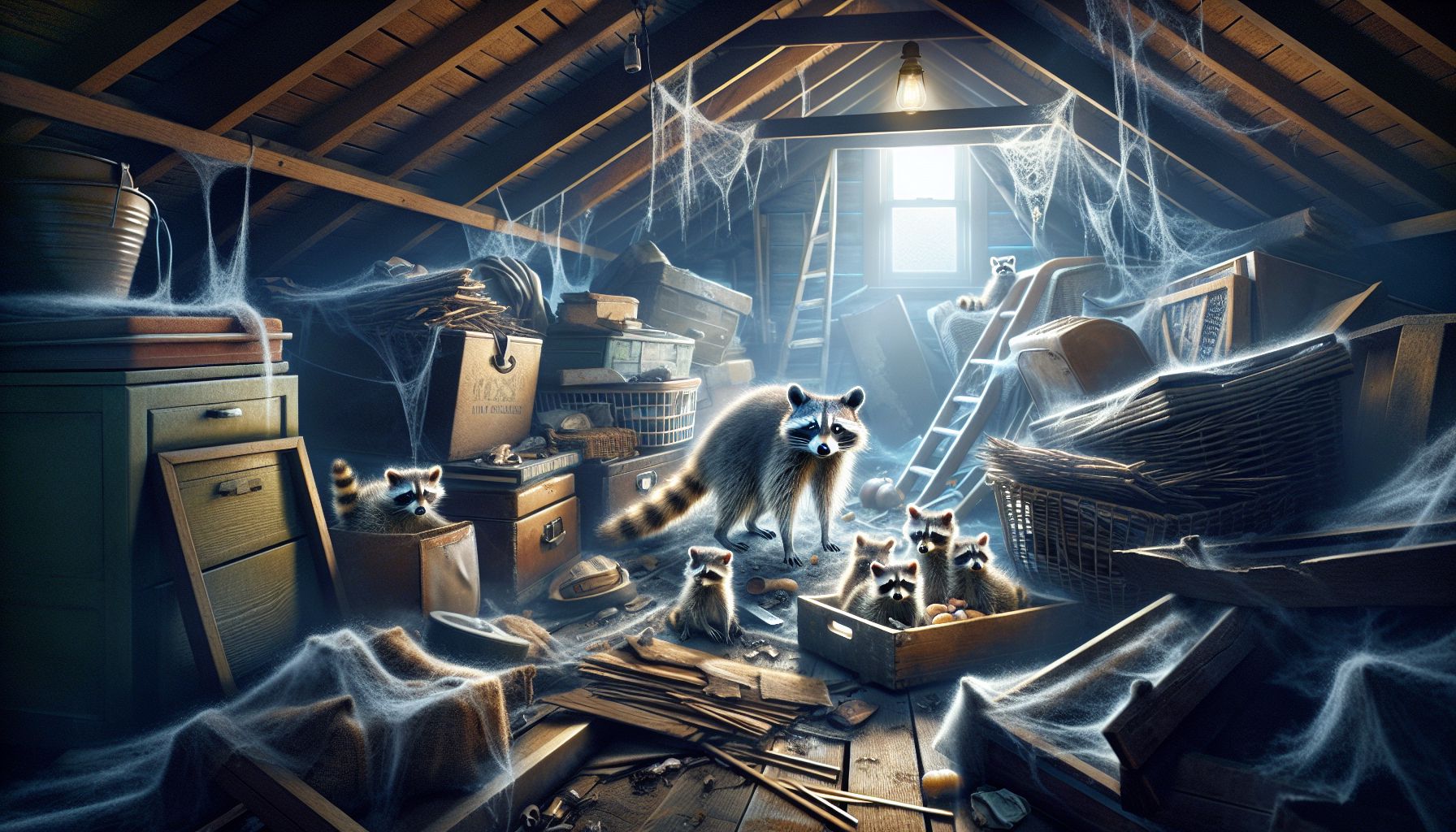
    Raccoons are nocturnal animals that use attics as resting locations during the day and as nesting sites for their offspring. In the birthing season, which typically happens in spring, a prematurely evacuated raccoon can often leave behind her young. They are unable to fend for themselves or exit the attic, leading to their death through starvation or dehydration.

    Moreover, the decomposing bodies of these baby raccoons often result in strong odours and potential health risks to the home-owners. As stated by Toronto Wildlife Centre, individuals cant raise raccoon babies due to their complex physical, behavioural, and emotional needs.

    Image Raccoon

    Impact of Local Climate and Housing

    In cities like Toronto, where the climate endures long winters, raccoons seek out warm and safe shelters in attics to hibernate and raise their young. The abundance of old structures and houses within the city further encourages their infiltration. Therefore, an early removal can negatively impact the raccoons who rely on these shelters to survive the harsh seasons.

    Understanding Raccoon Behaviour

    Raccoons are highly intelligent and adaptable. If a mother raccoon is removed from an attic prematurely, she will typically try to return to her young. This can lead to an escalation in her destructive behavior. The animal could cause significant damage to the building, trying to get back to her offspring left behind inside.

    In other instances, when a raccoon nest is disturbed, the mother may shift her young to another location within the same building. This event results in a recurring problem for the residents. The Humane Society discusses the intelligence and adaptability of raccoons that often results in such problem recurrence.

    Concluding Thoughts

    Removal of raccoons from an attic too early can lead to various challenges. It’s not just about the immediate issue of unwanted intruders, but also about the long-term implications for the wildlife. Always remember that beneath our cities’ bustling surface, a dynamic ecosystem exists. The urban wildlife, including raccoons, contribute to this ecosystem and coexist with human inhabitants. One must treat such scenarios sensitively, considering the ecological impacts alongside human inconvenience.

    Furthermore, not every DIY fix can provide sustainable solutions, as it often overlooks the behavior and life cycle of these animals. Thus, a holistic understanding is crucial. An informative resource like wildlife.ca provides greater insight into our cohabitors’ lives, fostering a forward-thinking approach to living harmoniously with urban wildlife.

    Hence, a removal needs to be timed well, usually post-weaning of the babies, and should ideally be carried out by a wildlife professional to mitigate adverse outcomes.

  • Why Humane Wildlife Removal Is the Only Legal and Ethical Option in Ontario

    Why Humane Wildlife Removal Is the Only Legal and Ethical Option in Ontario

    Ontario, with its diverse landscape, hosts various species of wildlife. While these animals contribute to the ecosystem, they can become problematic when they venture into urban and suburban areas, potentially causing damage to property and lowering the quality of life for some residents. The process of wildlife removal is regulated by the province, and legal measures call for a humane approach.

    The Legislation in Ontario

    Ontario operates under a comprehensive legislative framework concerning wildlife removal. The Fish and Wildlife Conservation Act, 1997, is a crucial piece of legislation that regulates how wildlife should be handled. Within this law, cruelty towards animals, including improper removal or causing unnecessary pain, is banned. Thus, humane wildlife removal is the legal standard in Ontario.

    Understanding Humane Wildlife Removal

    Humane wildlife removal prioritizes the well-being of the animal. This method typically involves capturing the animal with no harm and transferring it into a safe environment. Non-invasive techniques, such as exclusion, are often used. In this approach, animals are deterred from inhabiting human residences, ensuring a peaceful coexistence.

    The Necessity for Humane Removal

    Humane wildlife removal serves two essential purposes – it aids in maintaining Ontario’s biodiversity, and it safeguards the integrity of properties and creates safer spaces for residents.

    Species diversity plays a significant role in the health of the ecosystem. Each species contributes uniquely to the environmental balance. However, humane removal methods ensure that this biodiversity stays intact.

    Moreover, relocating wildlife reduces the risk of property damage extensively. Some animals, especially rodents, can cause severe destruction to human habitats. These creatures can bite through wires, destroy insulation and result in health hazards. By employing humane removal methods, these threats can be mitigated,

    Implementing Humane Removal Techniques

    Humane removal can be a challenging task. Various factors influence an animal’s behaviour, including the season and the structure age. For instance, during the winter period, many creatures will seek warm shelter, rendering them more likely to invade human homes.

    Additionally, some old buildings in Ontario have design features that provide easy access to animals. Cracks, holes and unsealed vents are typical entry points. Security measures against these vulnerabilities can be beneficial.

    The Inefficacy of DIY Techniques

    A vital aspect to acknowledge is that DIY or partial removal solutions are often unsuccessful. Capturing an animal without causing harm requires practical know-how and experience. Moreover, not all off-the-shelf exclusion products may work against every species.

    Additionally, it’s crucial to remember that the same animal might return or another may take its place if the primary attractions at your property aren’t addressed. Therefore, professional assistance can be more effective in providing a lasting solution.

    In Conclusion

    Humane wildlife removal is not just a legal requirement; it’s a moral responsibility that we owe to the diverse species sharing the Ontario ecosystem. Human-wildlife conflicts are best resolved by understanding the behaviours and innate patterns of wildlife based on local climatic and infrastructural conditions and acting accordingly.

    As the adage often reminds us, prevention is the best form of control. City dwellers can effectively contribute to humane wildlife management by employing proactive steps to deter animal intrusion. This approach can help sustain the natural balance and prosperous coexistence of humans with other species in Ontario.

  • Spring Wildlife Season: What Homeowners Should Know About Humane Attic Removal

    Spring Wildlife Season: What Homeowners Should Know About Humane Attic Removal

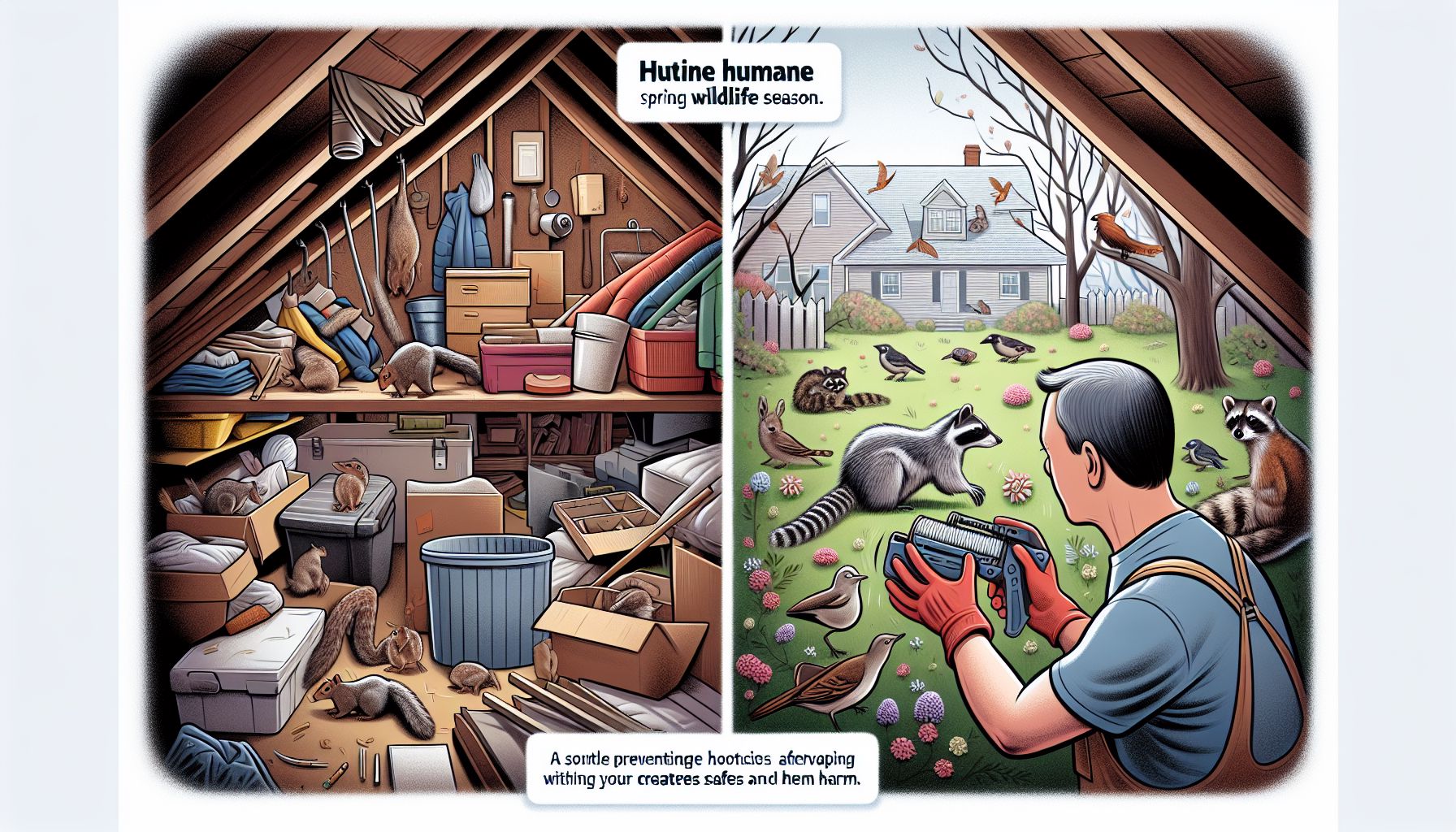
    Every year, as spring arrives, the activity of various wildlife species notably increases. In countless urban and suburban regions, a common issue for homeowners is the occasional intrusion of these creatures into their attics. Understanding the reasons behind this occurrence as well as the effective, humane methods of eviction can prove useful in dealing with this seasonal challenge.

    The Arrival of spring – A Factor in Wildlife Intrusions

    The spring season is usually a time of heightened wildlife activity, with many animals emerging from the colder months of hibernation or dormancy. The increase in warmth, food availability, and daylight hours all contribute to the renewed activity. However, this heightened activity also leads to an increased need for shelter, particularly for breeding purposes. The search for this shelter can, in many cases, lead these creatures ‘indoors.’

    In regions with aged or weathered housing stock, attics can become particularly susceptible to animal intrusions. This is primarily due to structural vulnerabilities, such as weakened roofing or open vents, which provide these creatures easy access.

    Misconceptions About Wildlife Intrusions

    One common misconception is that these creatures are ‘infesting’ homes out of malicious intent. In reality, they are only seeking safe, warm spaces to live and breed, often without recognizing that they are intruding into human homes. Another misconception is that these critters can easily be ousted by simply sealing off the entry points. However, this often fails as it neglects to consider the resilience and resourcefulness of many wildlife species, who may simply find or create another access point.

    Humane Attic Removal – What Does it Entail?

    When faced with wildlife intrusions, many homeowners resort to trapping or killing these creatures, either out of fear or frustration. However, these methods are not only severe but often prove ineffective in the long-run. On the other hand, humane animal removal focuses on carefully and gently evicting these creatures without causing them any harm.

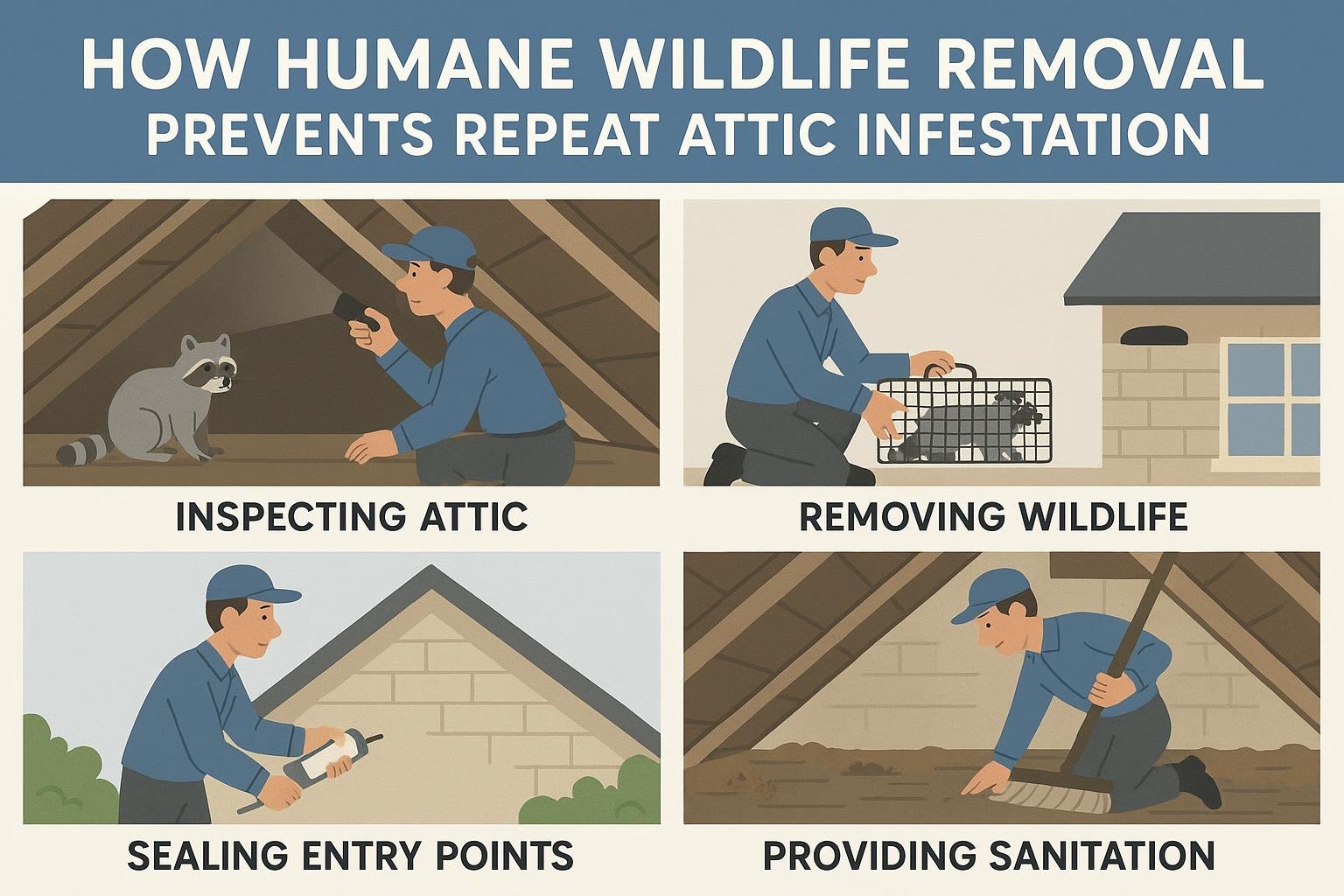
    Typically, this process involves identifying the animal’s entry points, assessing the extent of the infestation, and formulating an eviction plan. The plan usually includes the use of humane live traps or one-way exclusion devices that allow the animals to exit but not reenter.

    Why Opt for Humane Attic Removal?

    Although the humane eviction process might seem lengthier and more demanding than traditional methods, its benefits are substantial. It treats the animals with respect and understanding, thereby promoting a positive coexistence between humans and wildlife. Furthermore, it often proves to be more effective as it not only removes the current occupants but also deters future occupants by making necessary structural modifications.

    Legal and Municipal Factors

    In many cities and regions, local laws and restrictions are in place concerning the handling of wildlife. Often, these laws mandate the use of humane methods for the relocation and exclusion of wildlife. Therefore, familiarizing oneself with the local regulations is an essential step in dealing with an attic infestation.

    In conclusion, the arrival of spring can indeed amplify wildlife intrusions into attics. Yet, understanding the causes and recognizing our fellow creatures’ needs can make this a manageable issue. Adopting a humane approach not only yields a more effective, long-term solution but also fosters a healthier, more respectful relationship with our local wildlife.

  • How One-Way Doors Work for Humane Raccoon and Squirrel Removal

    How One-Way Doors Work for Humane Raccoon and Squirrel Removal

    humane raccoon and squirrel removal

    A common dilemma in urban environments, particularly in cities with old infrastructures or dense forestry, is the infestation of pests like raccoons and squirrels. A prominent example of such a challenge is in an area with traditional or historical houses, where these animals can penetrate attics or basements with ease. Among the various techniques employed to deal with this challenge, one strategy stands out for its humane approach – the use of one-way doors.

    What are One-Way Doors?

    One-way doors, as the name would suggest, are doors that allow exit but not re-entry. The underlying principle is simple: allow raccoons or squirrels to leave their nests in search for food, but prevent them from re-entering.

    These doors are typically crafted with lightweight materials, allowing smaller creatures, like raccoons and squirrels, to push them open. However, the design prevents these creatures from pushing them from the other side, thus creating a one-way egress.

    How do One-Way Doors Work?

    The function of one-way doors is based on common patterns observed in the behavior of animals like raccoons and squirrels. These creatures are primarily nocturnal, meaning they leave their dens at night in search of food and return at daybreak.

    By installing one-way doors at their nests’ entry points, you ensure these pests can exit but are unable to reenter their homes. This leaves the animals in a position to relocate, find new homes, thus the habitats are evacuated without causing harm to the lives of these creatures.

    Importance of Professional Installation

    Though it might seem like a simple task, the correct installation of one-way doors requires a good understanding of local regulations, specific animal behavior, and safety protocols. In many regions, legal restrictions may limit the use of one-way doors or could necessitate other intervention methods.

    Professional installers are well-equipped to handle such nuances. They thoroughly examine the infested areas, identify the primary entry points, and carefully install the one-way doors.

    The Downside of One-Way Doors

    While one-way doors have proven to be an efficient and humane way of dealing with pest nuisance, there are some drawbacks observed. The primary factor is ensuring all animals have vacated the area, as young creatures that cannot exit independently might be left behind and face potential starvation.

    Moreover, one-way doors aren’t always foolproof. Crafty creatures like raccoons and squirrels, noted for their determination and adaptability, can sometimes manage to bypass these systems or create new entry points.

    Use of One-Way Doors in Specific Cities

    In cities with a significant presence of raccoons and squirrels, such as those surrounded by dense forests or ones with older infrastructures, one-way doors serve as an effective pest control strategy. Locality-specific case studies have shown that one-way doors, combined with other exclusion techniques and habitat modification, can lead to a significant reduction in pest infestations.

    To sum up, one-way doors have reshaped the realm of humane pest control, especially for small mammals like raccoons and squirrels. While their effectiveness can vary based on several factors, their mass adoption indicates the value of this method in many cities.

  • Squirrel Babies in the Attic: Why Timing Matters for Humane Removal

    Squirrel Babies in the Attic: Why Timing Matters for Humane Removal

    One of the common issues homeowners face, particularly in urban areas, relates to wildlife habitation in our living spaces. A common instance of this is squirrels, particularly babies, setting up habitation in household attics. The city’s environment, combined with the aging infrastructure of many homes, offers ideal nesting places for these small creatures. This article will explore why the timing of removal is crucial to ensure a humane and effective handling of squirrel babies in your attic.

    Understanding Squirrel Behaviour

    To address the problem effectively, it’s vital to understand the behavior of squirrels and their birthing cycles. Generally, squirrels have two breeding periods in a year. They often give birth in the late winter and again in the summer. During these periods, female squirrels seek out warm, safe locations to raise their young, often selecting a residential attic for this. These baby squirrels stay in the nest for up to ten weeks, dependent on the local climate.

    For city residents, frequent sightings of infant squirrels in attics align with seasonal patterns. However, the timing of the removal should align with the developmental stages of the baby squirrels. In many situations, humane removal is best carried out when the baby squirrels are capable of surviving outside the nest.

    For specific details on squirrel behaviour, the Toronto Wildlife Centre offers valuable insights and instructions on how to help baby squirrels.

    Why Timing Matters

    If you find baby squirrels in your attic, proper timing for removal is essential for their survival. Early removal, when the babies are still dependent on their mother for warmth and nourishment, often leads to orphaned or injured squirrels. In contrast, premature removal may force the mother squirrel to break into the house again to retrieve her young, leading to further property damage.

    On the contrary, late removal can also pose issues. Elder baby squirrels are more mobile and can start chewing on wires or wooden structures, potentially causing damage to your house. Hence, finding the balance in timing is critical for an effective removal process.

    Limitations and Constraints

    Understanding that the situation can vary with numerous external and internal factors is vital. The size and age of the squirrels, entry points in the house, accessibility of the nest, and local by-laws all play parts in determining the appropriate course of action.

    One common misconception is that noise devices or repellents would evict the squirrels. In reality, these methods rarely work, particularly with nesting mothers. In such cases, consulting a local wildlife expert or reputable source like the Humane Society can offer accurate advice.

    Conclusion: Balancing Human and Animal Interests

    Ultimately, it’s about balancing our interests as homeowners with the natural behaviour of city-dwelling wildlife. Eviction and exclusion strategies should lean towards being as humane as possible but also being practical. Timing, in this context, plays a significant role. Ensuring there are no baby squirrels left behind in the eviction process reduces the likelihood of the mother squirrel causing further damage to retrieve her offspring.

    It’s important to remember that squirrels are part of our shared urban ecosystem. For more in-depth understanding about these creatures, the Canadian Wildlife Federation provides educational resources on urban wildlife, including squirrels. By understanding their habits and lifecycle better, we can co-exist peacefully and address such issues in a humane and practical way.

    Finding squirrel babies in your attic can be a challenging experience, but with the right knowledge about their behaviour and appropriate timing, homeowners can resolve this in a considerate and effective manner.