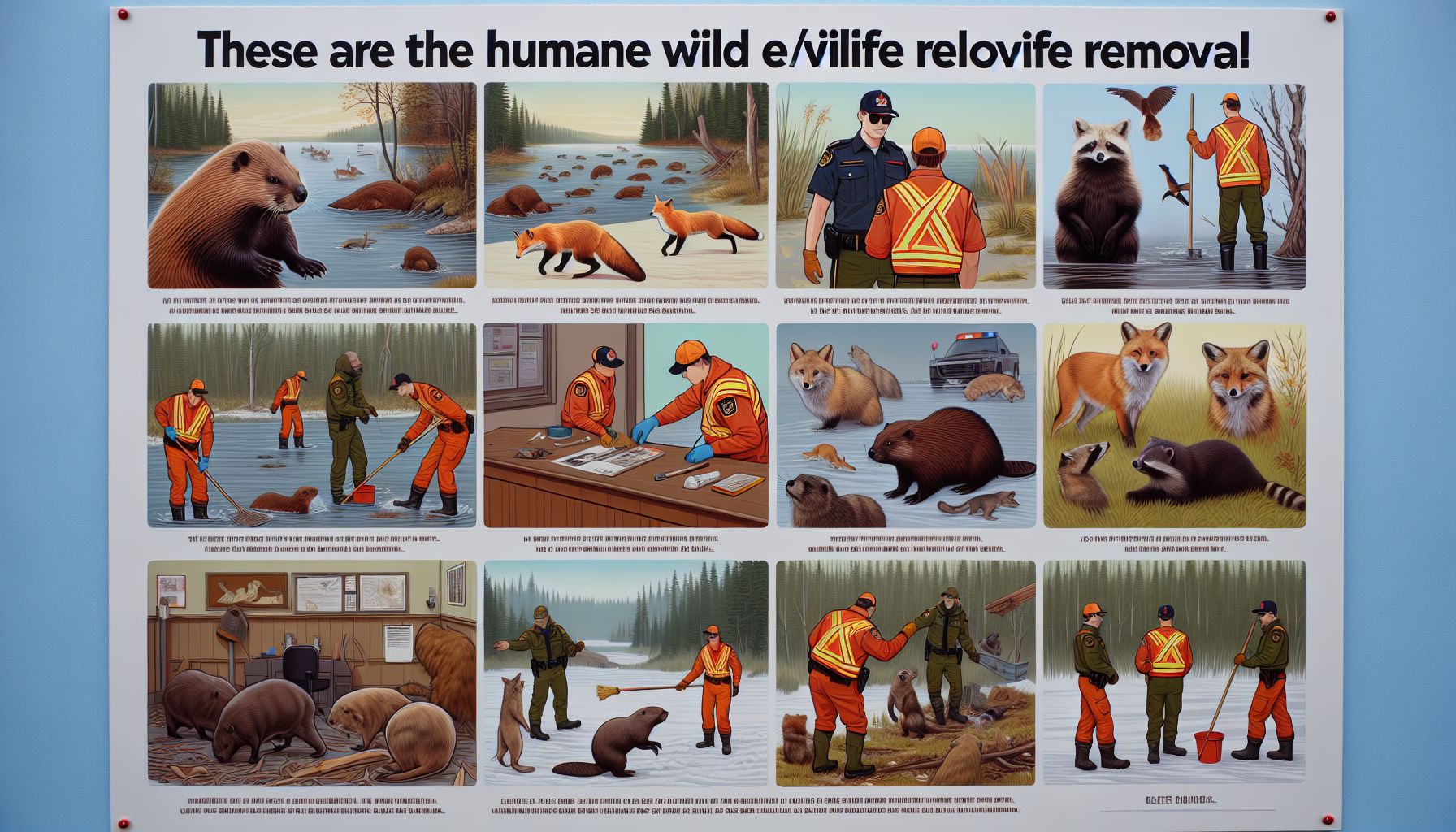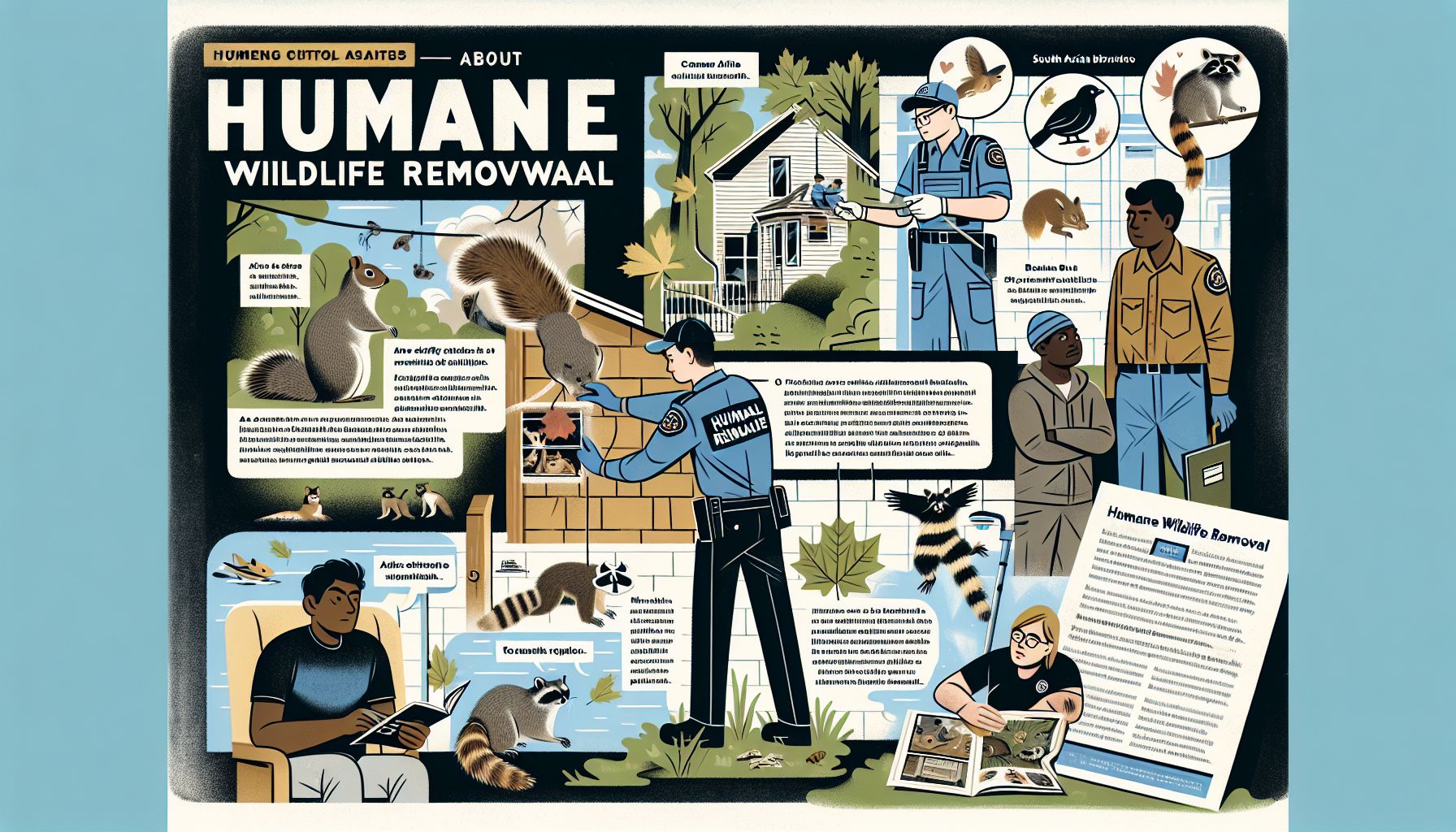
Ontario, with its diverse landscape, hosts various species of wildlife. While these animals contribute to the ecosystem, they can become problematic when they venture into urban and suburban areas, potentially causing damage to property and lowering the quality of life for some residents. The process of wildlife removal is regulated by the province, and legal measures call for a humane approach.
The Legislation in Ontario
Ontario operates under a comprehensive legislative framework concerning wildlife removal. The Fish and Wildlife Conservation Act, 1997, is a crucial piece of legislation that regulates how wildlife should be handled. Within this law, cruelty towards animals, including improper removal or causing unnecessary pain, is banned. Thus, humane wildlife removal is the legal standard in Ontario.
Understanding Humane Wildlife Removal
Humane wildlife removal prioritizes the well-being of the animal. This method typically involves capturing the animal with no harm and transferring it into a safe environment. Non-invasive techniques, such as exclusion, are often used. In this approach, animals are deterred from inhabiting human residences, ensuring a peaceful coexistence.
The Necessity for Humane Removal
Humane wildlife removal serves two essential purposes – it aids in maintaining Ontario’s biodiversity, and it safeguards the integrity of properties and creates safer spaces for residents.
Species diversity plays a significant role in the health of the ecosystem. Each species contributes uniquely to the environmental balance. However, humane removal methods ensure that this biodiversity stays intact.
Moreover, relocating wildlife reduces the risk of property damage extensively. Some animals, especially rodents, can cause severe destruction to human habitats. These creatures can bite through wires, destroy insulation and result in health hazards. By employing humane removal methods, these threats can be mitigated,
Implementing Humane Removal Techniques
Humane removal can be a challenging task. Various factors influence an animal’s behaviour, including the season and the structure age. For instance, during the winter period, many creatures will seek warm shelter, rendering them more likely to invade human homes.
Additionally, some old buildings in Ontario have design features that provide easy access to animals. Cracks, holes and unsealed vents are typical entry points. Security measures against these vulnerabilities can be beneficial.
The Inefficacy of DIY Techniques
A vital aspect to acknowledge is that DIY or partial removal solutions are often unsuccessful. Capturing an animal without causing harm requires practical know-how and experience. Moreover, not all off-the-shelf exclusion products may work against every species.
Additionally, it’s crucial to remember that the same animal might return or another may take its place if the primary attractions at your property aren’t addressed. Therefore, professional assistance can be more effective in providing a lasting solution.
In Conclusion
Humane wildlife removal is not just a legal requirement; it’s a moral responsibility that we owe to the diverse species sharing the Ontario ecosystem. Human-wildlife conflicts are best resolved by understanding the behaviours and innate patterns of wildlife based on local climatic and infrastructural conditions and acting accordingly.
As the adage often reminds us, prevention is the best form of control. City dwellers can effectively contribute to humane wildlife management by employing proactive steps to deter animal intrusion. This approach can help sustain the natural balance and prosperous coexistence of humans with other species in Ontario.