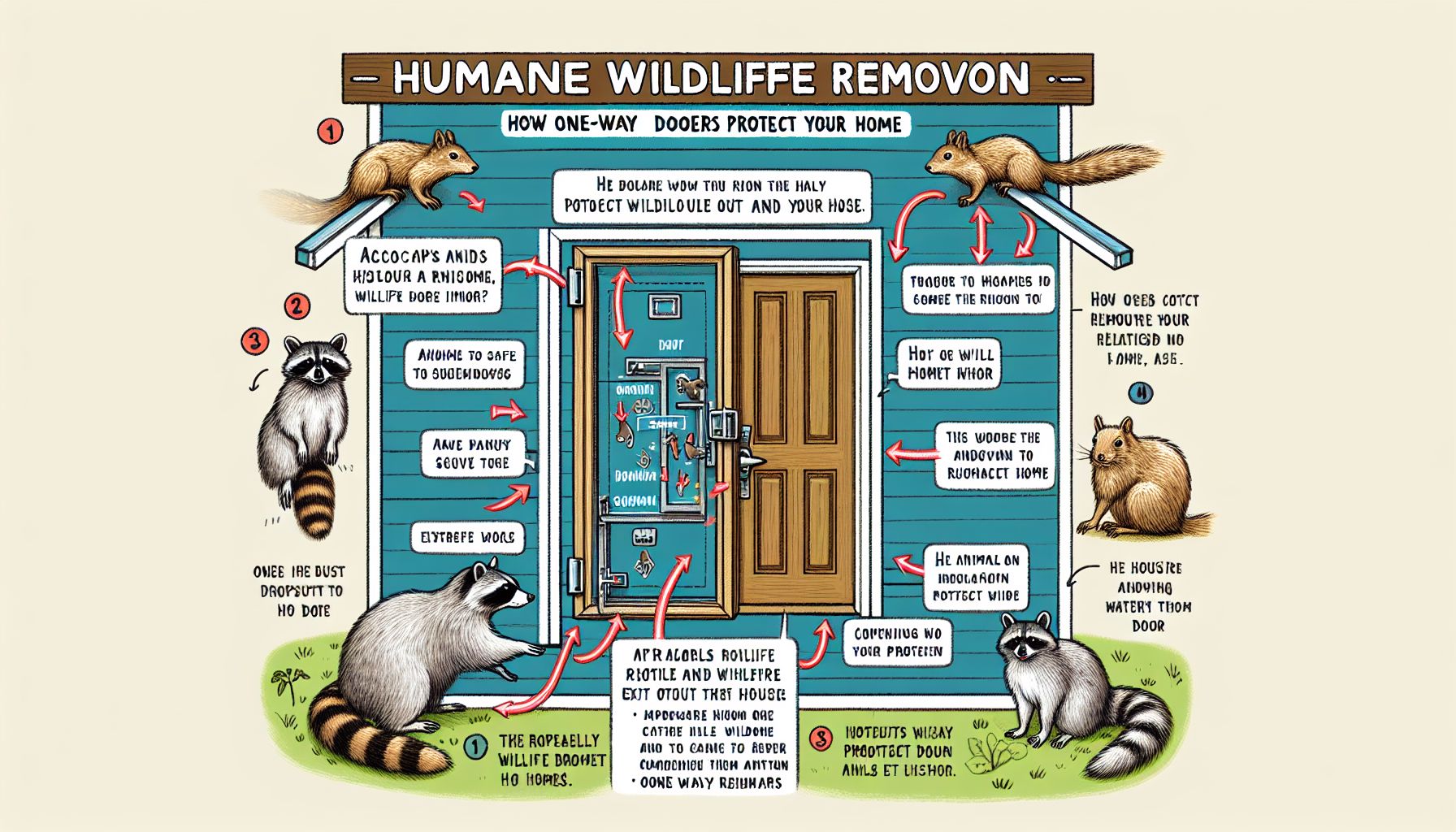
The concept of humane wildlife removal is gaining attention in many cities. One key method adopted in the field is the use of one-way doors. These doors, specifically designed for wildlife management, allow animals such as raccoons and squirrels to exit a structure but prevent them from re-entering.
Typically, this approach allows homeowners or property managers to evict pests, ensuring they don’t become a recurring problem, all while preserving animal safety and welfare.
Understanding One-Way Doors
The concept of one-way doors is simple. These mechanisms allow an animal to pass through in one direction only. Once the creature steps outside, the door closes behind it, thus barring re-entry. This system is non-lethal and does not cause harm or undue stress to the animal.
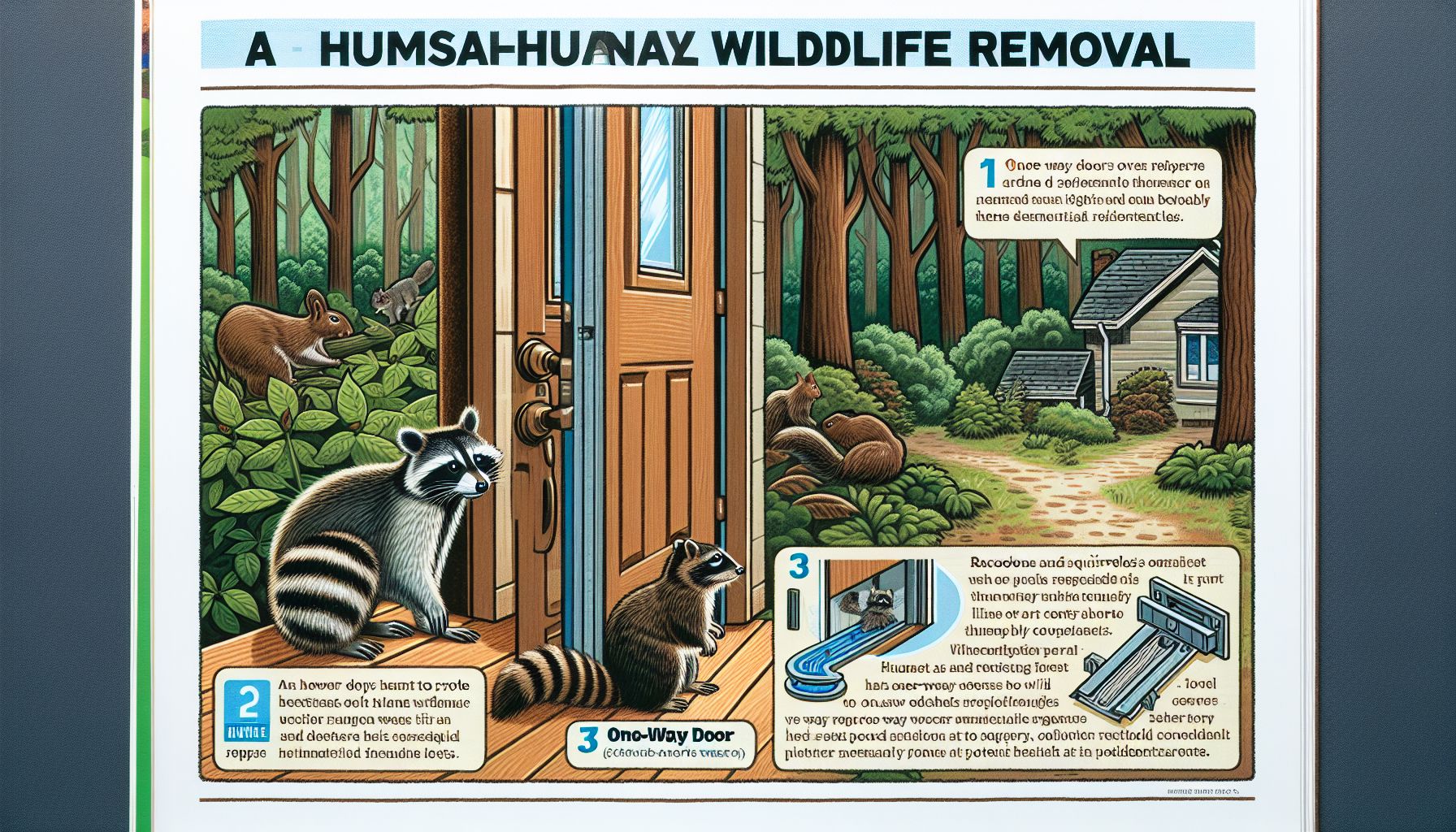
Observations from different regions suggest that one-way doors, often made from light, durable materials, have been instrumental as humane solutions for wildlife disturbances.
The Benefits of One-Way Doors
Using one-way doors for wildlife removal has numerous benefits. For one, it removes the need for lethal traps or poison, which can harm the offending animals, other local wildlife, and potentially domestic pets.
Secondly, the chance for recurrence of the problem is reduced. While some wildlife can cause significant damage to a property in their quest to regain entry, most animals, like raccoons and squirrels, are likely to seek out a new habitat after eviction. This saves homeowners the trouble of ongoing wildlife-related issues.
Lastly, one-way doors seem to be a particularly effective solution in older cities with aging infrastructure – a prime attraction for wildlife seeking shelter in urban areas.
Limitations Of One-Way Doors
Despite the many benefits, one-way doors are not without their limitations. For example, they may be less effective during seasons when wildlife have offspring. During these periods, evicting an adult animal may leave babies behind to suffer and potentially die.
Moreover, although one-way doors are very effective in removing individual animals, they may not deter others from occupying the same space. Therefore, additional exclusion methods, such as sealing structural access points or modifying the habitat, might be necessary.
Different Regions, Different Scenarios
How well one-way doors work can depend on several factors, including the type of wildlife, local climate, housing types, and infrastructure age.
Some animals, such as raccoons and squirrels, are prevalent in urban or suburban environments, especially within aging infrastructures. Humane wildlife removal methods, therefore, might have different degrees of success depending on the location and unique regional characteristics.
A Humane Approach To Wildlife Management
In conclusion, while one-way doors do have some drawbacks, they represent a significant advancement in the humane management of city-dwelling wildlife. This approach reduces the need for harmful practices, protects wildlife, and contributes to maintaining biodiversity within our cities. Moreover, it is a method that fits well within the legal context of many cities which demand non-lethal management of common urban pests, suggesting it will continue to be a prevalent practice in the future.
However, the effectiveness of these doors will always rely on understanding local wildlife behavior and the unique attributes of the region. This knowledge, combined with efficient wildlife removal practices, contributes to a balanced co-existence between humans and wildlife in our increasingly shared environments.