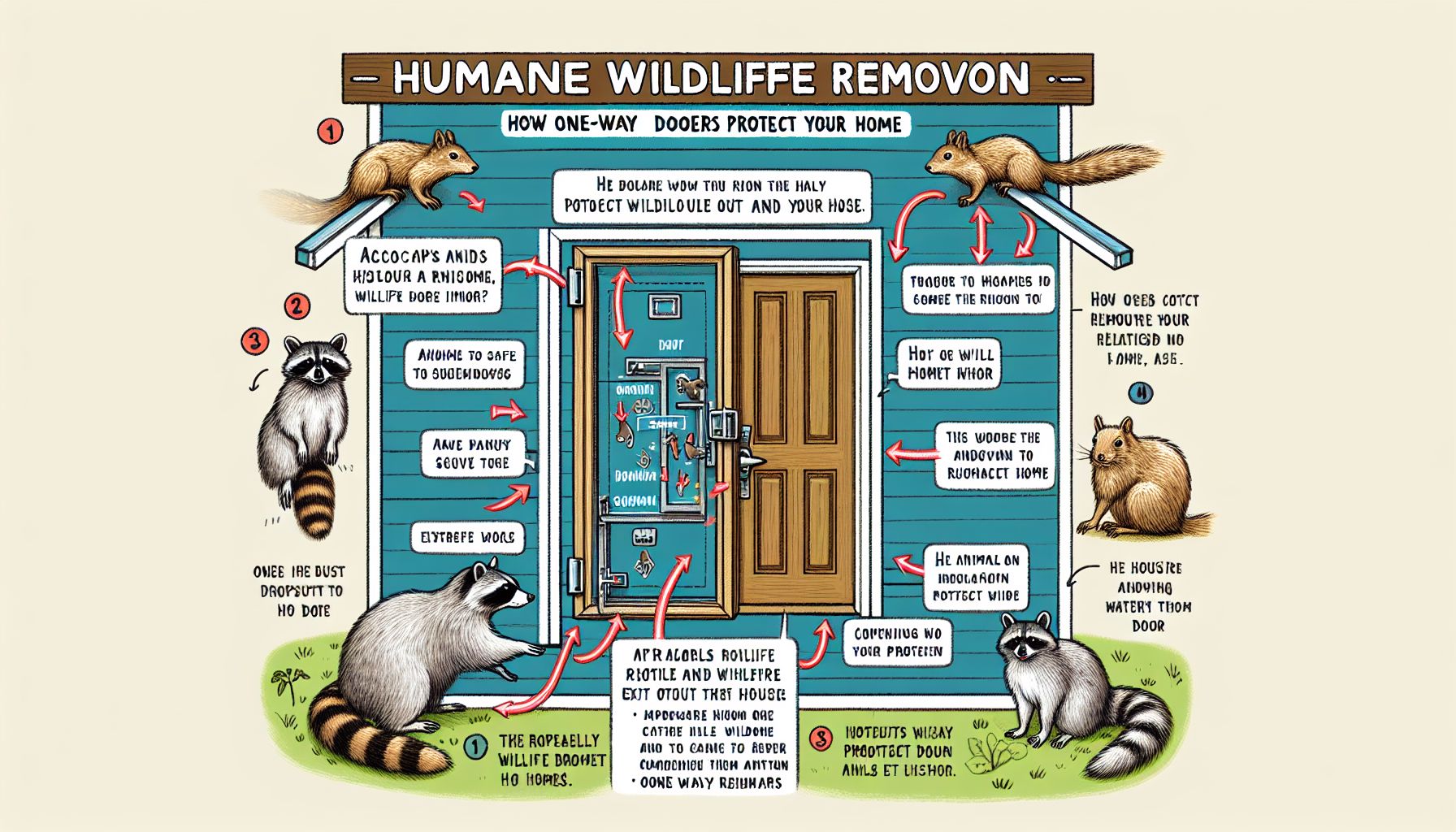
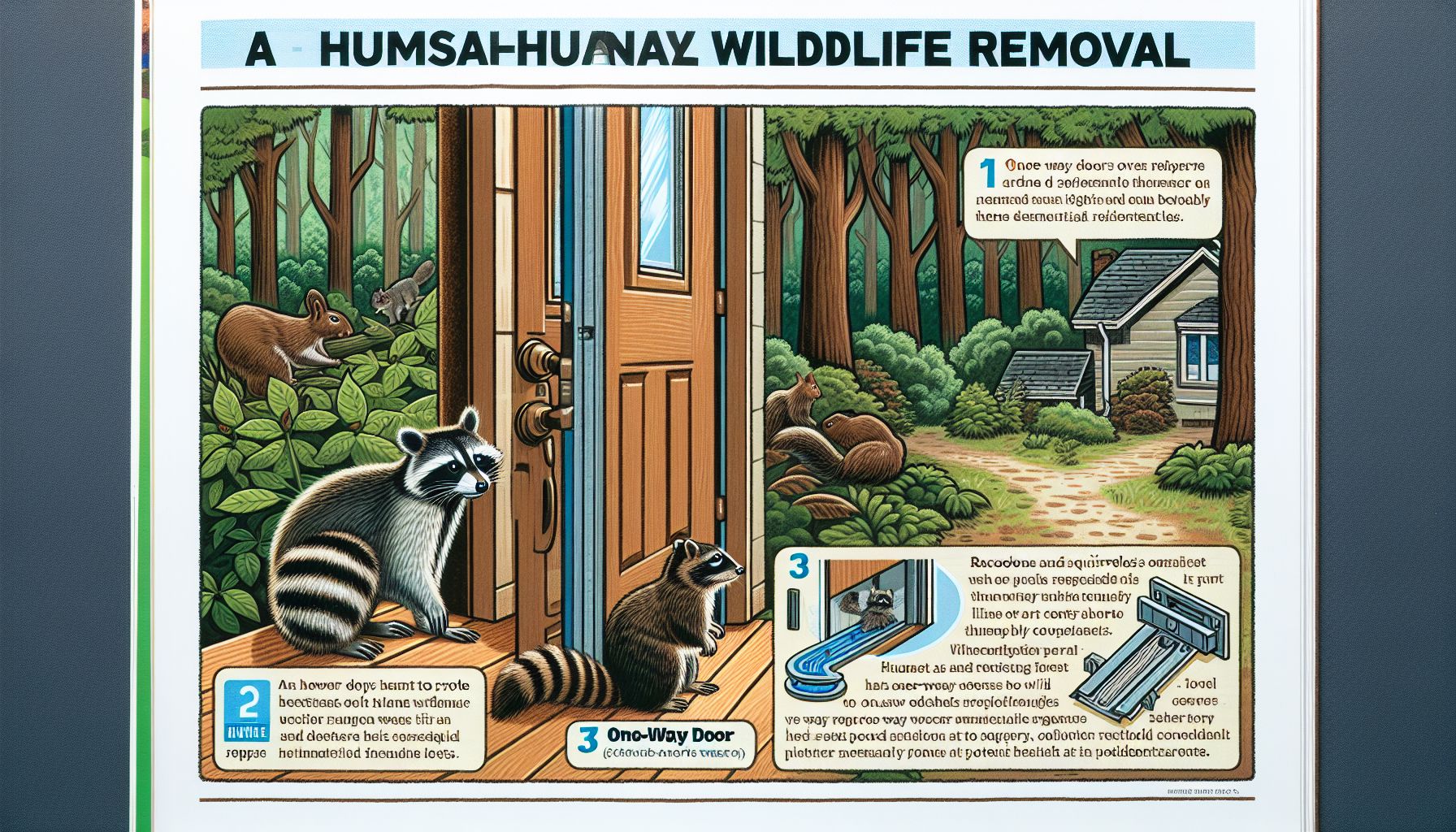
In cities with a notable wildlife presence such as raccoons, humane removal of these creatures often starts with the babies. This article aims to explain the reasons for this strategy, its effectiveness, and the role of wildlife behavior and regional characteristics in adopting this approach.
Understanding Raccoon Behavior
Raccoons display certain behaviors that necessitate focusing on the babies when it comes to their humane removal. Most raccoon mothers are fiercely protective of their young and will return or attempt to return if they sense their babies are in the vicinity. In many cities, the reports of raccoon activity typically increase in spring, coinciding with raccoon breeding season. This is when raccoons search for safe and warm places to give birth.
Raccoon Removal Strategy
Given these conditions, many wildlife experts often direct their efforts towards locating and removing baby raccoons first in a safe and effective manner, ensuring no harm comes to them or their mother. This technique is often more successful as the mother raccoon is likely to relocate once her babies are removed, reducing the chances of her returning to the original location. Furthermore, removing the babies first also prevents them from becoming trapped and potentially hurt if the mother raccoon is removed first.
Influence of Regional Characteristics
The housing types, infrastructure age, and urban conditions of a city play significant roles in raccoon inhabitation. Older city areas with worn-out infrastructures often provide perfect opportunities for raccoons to move in. Moreover, the presence of trees and dense vegetation near houses can also encourage raccoons, providing them ample cover and access points to enter buildings.
Misconceptions and Constraints
Misconceptions about raccoon behavior and unsuccessful DIY fixes contribute to recurring raccoon issues. Many individuals believe that strong scents or ultrasonic devices will deter raccoons. However, these tactics often prove ineffective in the long run as raccoons quickly adapt. Moreover, using repellents and deterrent devices can also lead to the trapping of baby raccoons if not handled correctly.
Legal restrictions also play a role in humane raccoon removal strategy. In most regions, lethal methods of raccoon removal are strictly prohibited. Thus, the emphasis is placed on humane ways of dealing with these wildlife creatures, starting with the babies first.
Conclusion
The humane removal of raccoons, particularly starting with the babies, is dictated by raccoon behavior, regional conditions, and legal constraints. This strategy is typically considered the most effective and safe approach to mitigate raccoon infestations in cities, as it respects and considers the needs of the wildlife. While it does not eliminate the problem entirely, it does contribute significantly to controlling the impact of raccoons on urban environments.