Blog

  • Why Do Squirrels Break Into Attics

    Chattering among treetops, squirrels play a vital role in our local ecosystem. However, their penchant for invading attics becomes problematic for homeowners. Understanding their motivations can shed light on this recurrent issue.
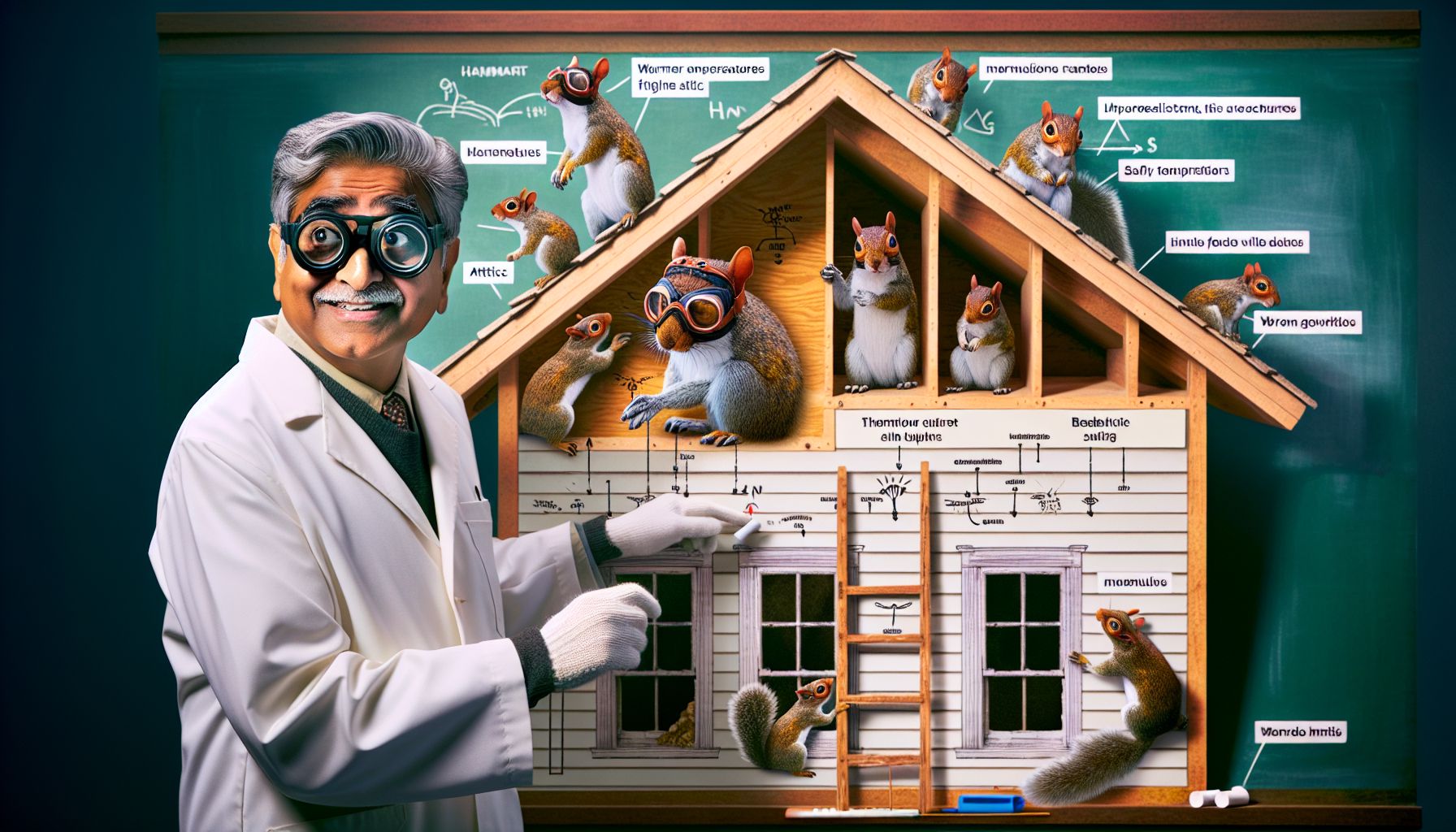
    Squirrel

    The Draw of Shelter

    Squirrels often enter attics as they offer ideal nesting spaces. Situated above the ground, attics offer protection from predators and harsh weather, closely resembling the secluded, insulated spaces of tree hollows. With plenty of stored items offering nesting material, attics make ideal homes for squirrels.

    Urban Expansion

    With cities continually expanding into natural habitats, conflicts between humans and squirrels have become commonplace. In areas with aged housing infrastructure and less green space, these creatures find solace in the concealed corners of buildings.

    Seasonal Patterns

    Squirrels typically establish nests in attics during two distinct periods. Initial nesting occurs in late winter or early spring when they seek shelter for birthing and rearing their young. A second nesting phase can be observed in late summer, as squirrels prepare for the colder months ahead.

    The Risk of Incomplete Deterrence

    Partial deterrents and DIY methods often fail to keep squirrels at bay. Simply repelling them from one area might lead them to find another access point, especially given their agile nature and adept climbing abilities. Therefore, addressing the issue requires understanding their behaviour and patterns.

    The Impact of Local Climate

    In specific cities with harsh winters and hot summers, attics offer stable temperature conditions. These are essential for squirrel survival, breediing, and raising infants.

    Misconceptions

    While squirrels are often blamed for causing damage, they are merely adapting to changing environmental conditions. They do not intentionally harm humans or their homes but seek suitable habitats in an evolving urban landscape.

    Limits and Constraints

    Animal control regulations also play a vital role in the management of wildlife invasions. Handling urban wildlife disturbances requires adherence to municipal codes that ensure the humane treatment of these creatures.

    Final Thoughts

    Undoubtedly, squirrels invading our attics is an inconvenience. However, acknowledging the patterns leading to this issue paints a broader picture. It is a manifestation of our shared habitat, highlighting the need for coexistence strategies that take into account the realities of urban expansion and the natural instincts of urban wildlife.
  • Why Humane Raccoon Removal Always Starts With the Babies

    Why Humane Raccoon Removal Always Starts With the Babies

    Image

    In cities with a notable wildlife presence such as raccoons, humane removal of these creatures often starts with the babies. This article aims to explain the reasons for this strategy, its effectiveness, and the role of wildlife behavior and regional characteristics in adopting this approach.

    Understanding Raccoon Behavior

    Raccoons display certain behaviors that necessitate focusing on the babies when it comes to their humane removal. Most raccoon mothers are fiercely protective of their young and will return or attempt to return if they sense their babies are in the vicinity. In many cities, the reports of raccoon activity typically increase in spring, coinciding with raccoon breeding season. This is when raccoons search for safe and warm places to give birth.

    Raccoon Removal Strategy

    Given these conditions, many wildlife experts often direct their efforts towards locating and removing baby raccoons first in a safe and effective manner, ensuring no harm comes to them or their mother. This technique is often more successful as the mother raccoon is likely to relocate once her babies are removed, reducing the chances of her returning to the original location. Furthermore, removing the babies first also prevents them from becoming trapped and potentially hurt if the mother raccoon is removed first.

    Influence of Regional Characteristics

    The housing types, infrastructure age, and urban conditions of a city play significant roles in raccoon inhabitation. Older city areas with worn-out infrastructures often provide perfect opportunities for raccoons to move in. Moreover, the presence of trees and dense vegetation near houses can also encourage raccoons, providing them ample cover and access points to enter buildings.

    Misconceptions and Constraints

    Misconceptions about raccoon behavior and unsuccessful DIY fixes contribute to recurring raccoon issues. Many individuals believe that strong scents or ultrasonic devices will deter raccoons. However, these tactics often prove ineffective in the long run as raccoons quickly adapt. Moreover, using repellents and deterrent devices can also lead to the trapping of baby raccoons if not handled correctly.

    Legal restrictions also play a role in humane raccoon removal strategy. In most regions, lethal methods of raccoon removal are strictly prohibited. Thus, the emphasis is placed on humane ways of dealing with these wildlife creatures, starting with the babies first.

    Conclusion

    The humane removal of raccoons, particularly starting with the babies, is dictated by raccoon behavior, regional conditions, and legal constraints. This strategy is typically considered the most effective and safe approach to mitigate raccoon infestations in cities, as it respects and considers the needs of the wildlife. While it does not eliminate the problem entirely, it does contribute significantly to controlling the impact of raccoons on urban environments.

  • Humane Wildlife Removal Explained: How One-Way Doors Protect Raccoons, Squirrels, and Your Home

    Humane Wildlife Removal Explained: How One-Way Doors Protect Raccoons, Squirrels, and Your Home

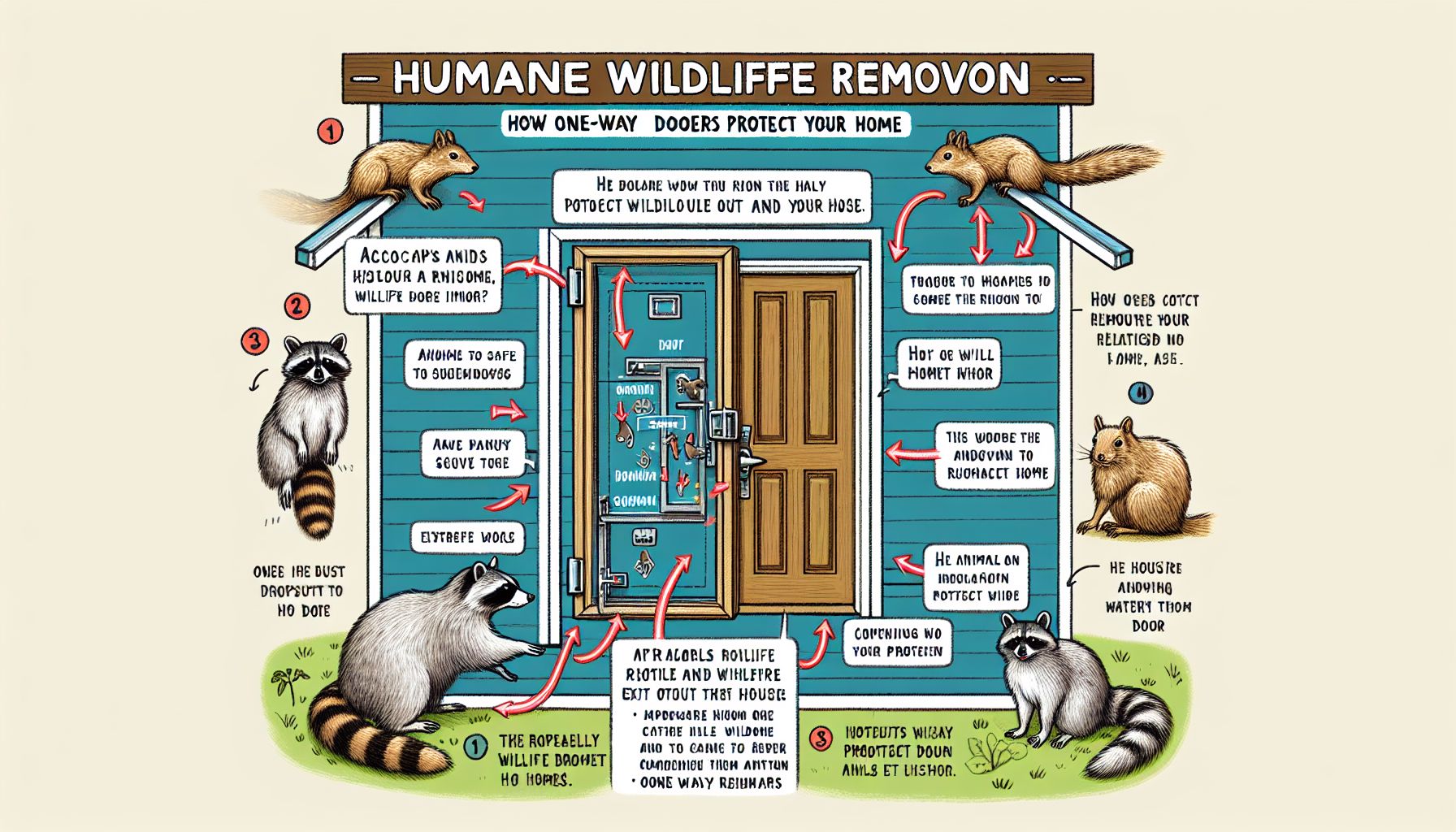
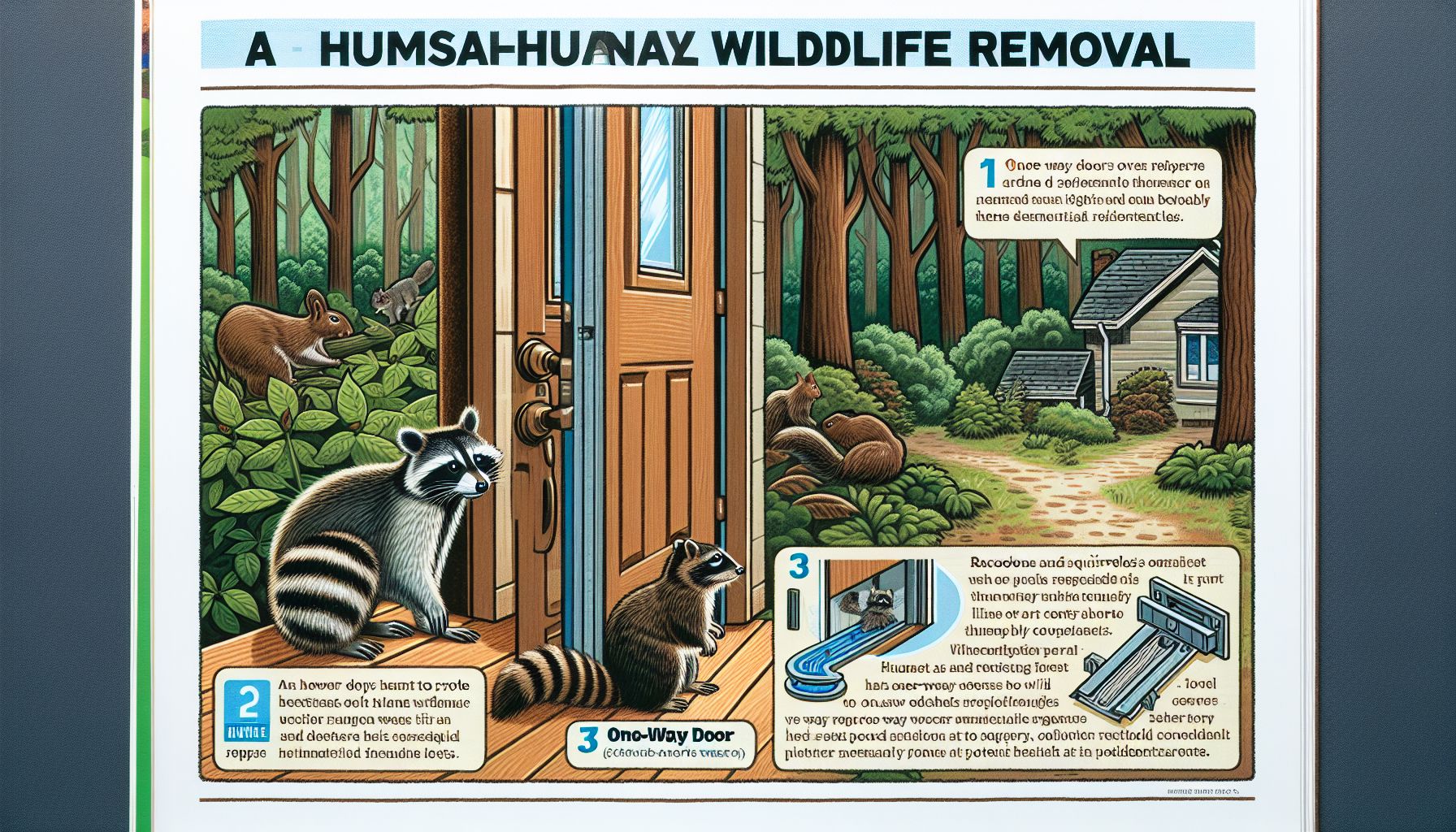
    The concept of humane wildlife removal is gaining attention in many cities. One key method adopted in the field is the use of one-way doors. These doors, specifically designed for wildlife management, allow animals such as raccoons and squirrels to exit a structure but prevent them from re-entering.

    Typically, this approach allows homeowners or property managers to evict pests, ensuring they don’t become a recurring problem, all while preserving animal safety and welfare.

    Understanding One-Way Doors

    The concept of one-way doors is simple. These mechanisms allow an animal to pass through in one direction only. Once the creature steps outside, the door closes behind it, thus barring re-entry. This system is non-lethal and does not cause harm or undue stress to the animal.

    Observations from different regions suggest that one-way doors, often made from light, durable materials, have been instrumental as humane solutions for wildlife disturbances.

    The Benefits of One-Way Doors

    Using one-way doors for wildlife removal has numerous benefits. For one, it removes the need for lethal traps or poison, which can harm the offending animals, other local wildlife, and potentially domestic pets.

    Secondly, the chance for recurrence of the problem is reduced. While some wildlife can cause significant damage to a property in their quest to regain entry, most animals, like raccoons and squirrels, are likely to seek out a new habitat after eviction. This saves homeowners the trouble of ongoing wildlife-related issues.

    Lastly, one-way doors seem to be a particularly effective solution in older cities with aging infrastructure – a prime attraction for wildlife seeking shelter in urban areas.

    Limitations Of One-Way Doors

    Despite the many benefits, one-way doors are not without their limitations. For example, they may be less effective during seasons when wildlife have offspring. During these periods, evicting an adult animal may leave babies behind to suffer and potentially die.

    Moreover, although one-way doors are very effective in removing individual animals, they may not deter others from occupying the same space. Therefore, additional exclusion methods, such as sealing structural access points or modifying the habitat, might be necessary.

    Different Regions, Different Scenarios

    How well one-way doors work can depend on several factors, including the type of wildlife, local climate, housing types, and infrastructure age.

    Some animals, such as raccoons and squirrels, are prevalent in urban or suburban environments, especially within aging infrastructures. Humane wildlife removal methods, therefore, might have different degrees of success depending on the location and unique regional characteristics.

    A Humane Approach To Wildlife Management

    In conclusion, while one-way doors do have some drawbacks, they represent a significant advancement in the humane management of city-dwelling wildlife. This approach reduces the need for harmful practices, protects wildlife, and contributes to maintaining biodiversity within our cities. Moreover, it is a method that fits well within the legal context of many cities which demand non-lethal management of common urban pests, suggesting it will continue to be a prevalent practice in the future.

    However, the effectiveness of these doors will always rely on understanding local wildlife behavior and the unique attributes of the region. This knowledge, combined with efficient wildlife removal practices, contributes to a balanced co-existence between humans and wildlife in our increasingly shared environments.

  • What Happens When Wildlife Removal Experts Find Animals Living in My Home?

    Contacting a humane professional is the easiest way to safely remove animals from your home. Wildlife removal technicians are specially trained to adhere to the following rules when handling live animals with skilful care. Here is what we learned from wildlife removal Burlington.

    • Ministry Wildlife Statues: The Ontario Ministry of Natural Resources has passed several regulations to help humans live in healthy co-existence with their natural neighbours. Homeowners who encounter a wild animal in their home are required by law to have the creature removed within 24 hours. If the animal is suffering from poor health, then homeowners are obligated to contact a humane wildlife removal service.
    • Benevolent Mammal Removal: Humane relocation places animals within one kilometer of their original habitat. This prevents wildlife from suffering in an unfamiliar environment. Professionals will adjust their removal strategy based on the known breeding cycles of the species. Raccoons, skunks, and squirrels regularly make use of warm human spaces to rear their brood. The presence of young requires special care by wildlife removal specialists. Once the mother has been removed from her den, a heated baby box may be installed to assist natural relocation. After the exclusion is complete, specialists will illustrate vulnerable access points to homeowners to prevent re-entry.
    • Flying Pest Exclusion: Manoeuvrable birds and bats present unique challenges to homeowners and wildlife removal experts. Technicians begin by gently removing nesting materials. Flight-capable animals are likely to relocate on their own when their nests are disturbed. Installing a warm baby box near the home allows flying animals to mature naturally and fly away. Removal of deceased young prevents their decomposition from attracting fungus and bacteria to your home.
  • How to Keep Your Home Defended Against Wildlife Intrusion

    How to Keep Your Home Defended Against Wildlife Intrusion

    Raccoon removal Burlington is naturally equipped with tools for gaining entrance to your home. Foil their efforts by applying tactical protective measures across the house.

    • Secure and Defend: Wildlife, like raccoons, utilize powerful teeth and claws to access food sources. Homeowners should secure their homes with the proper materials to ensure animals remain outdoors. Welded metal wires can be installed behind vents and exposed shingles. Protect your chimney with a cap and check its durability once a year. Immediately repair any weaknesses in home siding. Apply metal nets to sidewall vents as well. Never leave windows open unattended. An open garage door offers another opportunity for hungry animals.Remove wood, leaves, and outdoor debris that could be used as cover by raccoons and squirrels. Cut back branches that might allow access to an upper story. Wildlife will go through great lengths for food. Keep high light fixtures sealed to discourage birds from nesting on your home. Prevent entry to a deck’s underside by sealing access points with cement. Sufficient preparation can help keep animals from breaching your home’s perimeter. Outdoor pets like dogs and cats also serve as a natural deterrent to wild animals.
    • Eliminate Food Sources: Most scenarios in need of wildlife removal are prompted by a reachable food source. This extends to garbing cans, food for pets, and leftovers from backyard BBQs. Keep these items indoors to avoid detection from keen olfactory organs. Animals successful in obtaining food from a homeowner’s property will likely return to the scene at a later date. Territorial wildlife, like opossums, may begin to recognize your yard as its own territory. Consider installing locks for your garbage bins if trash collection is irregular or infrequence.
  • 4 Reasons to Use a Humane Wildlife Removal Service

    4 Reasons to Use a Humane Wildlife Removal Service

    Wildlife removal experts can be very useful when wild animals become a nuisance or damage your property. Humane methods of removal are essential in these situations. There are many reasons for the use of humane wildlife removal services that benefit both you and the wildlife; here are a few of them:

    1.      Safe for the Animal

    Experts in humane wildlife removal are specially trained to reduce the pain or stress that animals experience as they are captured.

    2.      It’s the Law

    Due to various laws in Ontario, animals must be removed from a property with as little harm or harassment as possible.

    3.      Easy for You

    When you have hired a wildlife removal company to solve the problem of invading wildlife, then your job is essentially done. It is much easier and safer for an expert to inspect your house than it is for you to track and handle a wild animal.

    4.      Exclusion Expertise

    Even if you can manage to scare off a bird or squirrel, you may have a hard time figuring out how to make sure that the animals cannot get back into your home or property. Wildlife removal experts have the knowledge and equipment to block all points of entry, making a repeat problem unlikely.

  • Signs Birds are Roosting on Your Property

    Wildlife removal is an important part of keeping your Toronto residence clean and healthy. Knowledge of nesting habits can help homeowners know when to contact assistance. Bird control can be a difficult task, so knowing a few things about their habits can help prevent a problem.

    Apparent Nesting: Most birds prefer the safety of abandoned buildings. Others seek refuge on the high tops of human homes. These nests are typically constructed from nearby twigs, leaves, and broken branches. In urban areas, pigeons commonly utilize man-made debris in their nests. Look for saucer-shaped constructions near overhangs and possible perches. Homeowners should also check roof installations for evidence of fresh roosts. Examine chimney bottoms and reservoirs for fallen nesting materials.

    Infectious Feces: Long-term nesting often attracts additional birds. Pigeons in particular are prone to group nesting. Excessive droppings on and around your property are likely signs of a roosting above. Bird droppings provide a quick base for festering legions of bacteria. Feces-grown fungus can cause symptoms of fatigue, fever, and compromised immune systems in humans. Some birds carry infectious diseases that transfer from bird to human through contact with droppings. Homeowners are advised to avoid direct contact with birds or their feces. Rely on a professional for sanitary removal of these bird stains.

    Professional Solutions: Bird exclusion teams use specialized equipment to safely remove a flying nuisance from your home. Our practiced experts can also spot and stop probable nesting areas before birds take roost. Netting is installed near beams and overhangs to prevent fowl invaders. Pigeon spikes can be used to discourage new nests at the edge of your roof. Bird slides replace available edges with smooth slopes. These installations make it impossible for birds build nests in these areas.

  • What to Do if Wildlife Enters the Interior of Your Home

    What to Do if Wildlife Enters the Interior of Your Home

    Over time, numerous wild species of animal have modified their behaviour to excel in urban areas. Commonly encountered wildlife, like raccoons and skunks, pose little threat if you secure professional assistance.

    Opossum Problems: Opossums are ubiquitous scavengers. A prehensile tail provides balance and makes opossums adept climbers. Their high adaptability and omnivore diet allow them to make a home in almost any location. Opossums are wanderers by nature. They may investigate your home in desperate need of food. While typically docile, opossums will bear 50 razor fangs when cornered. Ontario’s Fish and Wildlife Conservation Act allows Toronto homeowners to evict opossums for safety concerns. Contact a licensed wildlife removal team to deal with the problem without risk.

    Raccoon Encounters: Like their opossum cousins, raccoons are ravenous omnivores. They are fearless and invade human garbage cans in search of sustenance. Raccoons regularly make their dens within homes’ attics, walls, or chimneys. Mothers bearing young children often seek out the warmth of a human home. This gives raccoons direct access to human living areas. Ontario’s raccoon population is a major transporter of rabies and other dangerous microbes. Get in touch with experienced rodent handlers if any raccoon finds its way into your personal space.

    Squirrel Discoveries: Squirrels are naturally drawn toward urban areas and their generous food sources. These urbanized animals are often adapted better to city life than natural, forested areas. Homeowner relocation of squirrels is unwise. City squirrels will likely find themselves helpless in an unfamiliar environment. Humane squirrel removal specialists are trained to properly relocate animals without putting them in danger.

    Homeowners can review the Fish and Wildlife Conservation Act of 1997 for detailed specifics.                                   

  • Popular Hang-Outs for Birds In Your House or Building

    Popular Hang-Outs for Birds In Your House or Building

    Has your home or business been overrun with birds as of late? If so, then you may be disheartened to hear learn that this is a problem that only gets worse with inaction. In this article, read about architectural features that birds find particularly attractive and what can be done to reduce that appeal and get rid of avian intruders.

    Tops of Flat Buildings
    Pigeons are particularly fond of flat roof spaces, often seeking out the highest buildings in neighborhoods on which to build their nests. Because mass nesting is common among pigeons, and these widely reviled birds have the ability to construct nests overnight, the sudden discovery of a dozen or more pigeons on your property is not uncommon. Chimney pots and flat overhangs or ledges are nesting spots of choice, and anti-roosting measures, such as surface modification, should be taken by homeowners who want to avoid having their property overrun with pigeons.

    Building Eaves
    When swallows make their return migration to Ontario in the late spring, they are on the lookout for textured surfaces to which they can attach their familiar mud nests. If the swallows have made a home out of your home, then you should have them professionally and humanely removed. To prevent them from roosting on your property, a professional bird exclusion team can make the eaves of your Toronto home undesirable to the swallow and other passerine birds.

    Front Porches
    Front porches are another favorite for swallows looking to build mud nests. Rubber snakes and plastic owls can be affixed to your porch light or elsewhere, but the most effective front porch bird-proofing is done by professionals.

    Light Fixtures
    The tops of light fixtures, especially if they are flat, provide a variety of bird types with an ideal nesting location. Bird spikes, decorative sconces, and shiny reflective devices can deter most birds from laying and raising their young on top of your home’s exterior light fixtures.

  • Principles Behind Humane Wildlife Removal

    Principles Behind Humane Wildlife Removal

    Mammalian wildlife, such as raccoons, squirrels, skunks, and opossums, can be a Toronto homeowner’s worst nightmare. These species, however, have been living in the Toronto area since long before Canada claimed the territory. For this reason, we should take special care to not rid our properties of these animals via the spraying of dangerous chemicals, painful animal traps, and other cruel tactics. Read this article to learn about the principles behind humane wildlife removal.

    Balance the needs of wildlife with those of people. The underlying philosophy of humane wildlife removal is that wildlife plays a vital role in the world in which we live and that humans and non-domesticated animals can live alongside one another harmoniously. Humane wildlife removal professionals aim to inconvenience humans as little as possible while making an effort to keep disturbances to animal communities to a minimum.

    Use all available sciences in determining a removal method. Biology, chemistry, climatology, ecology, geography, and mathematics all play a role in decisions that are made by humane wildlife removal specialists.

    Formulate a clear goal. One goal of wildlife removal professionals is to utilize the aforementioned sciences to devise a wildlife removal strategy that has a clear objective. In some cases, this may be to simply remove a raccoon or a bat that poses a threat to the value of a property or the wellbeing of a family. In other cases, the strategy selected may be designed to prevent specific wildlife populations from staking claim to territory on your property.

    Employ the most feasible humane removal option. Regardless of which species of animal is the subject of the removal or exclusion strategy, the most humane option that is still considered feasible is typically chosen.