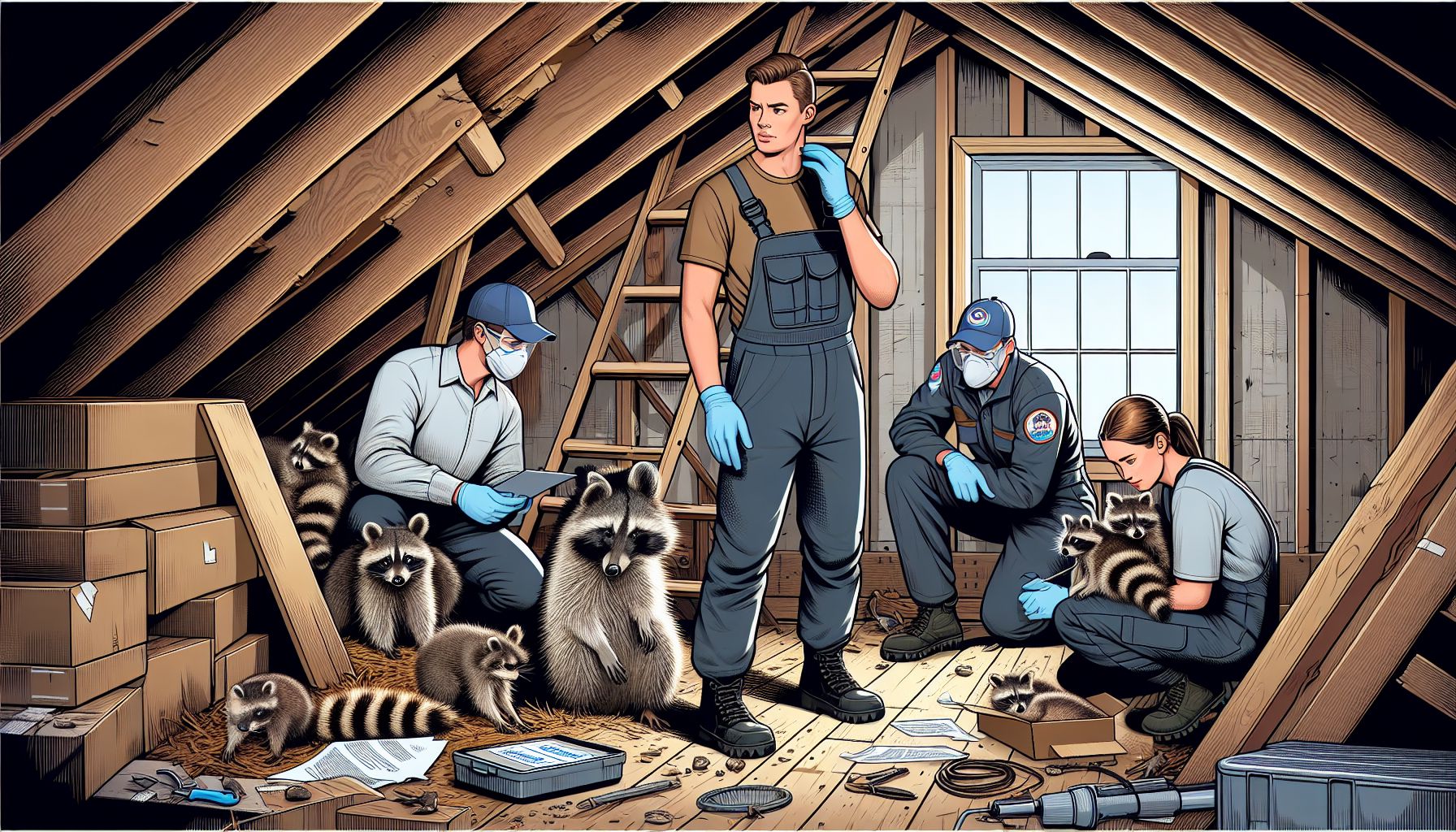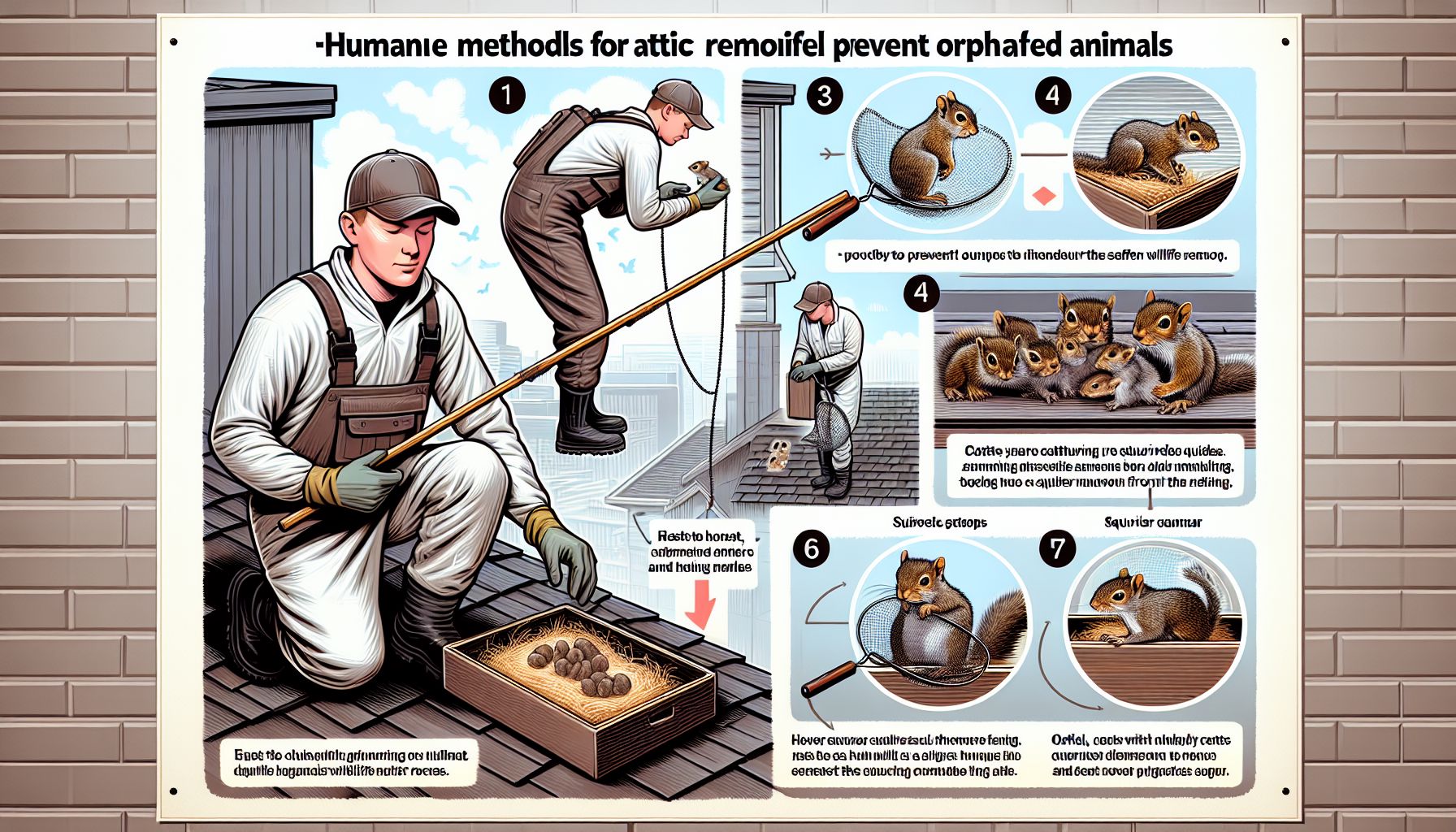
In city environments, the presence of wildlife in attics has become a recurring pattern. Human habitations, particularly attics, offer shelter and warmth to various animals, making them ideal for nesting and rearing offspring. As a result, professional wildlife removal services often encounter baby animals in these spaces. This article examines the importance of using humane removal methods to prevent orphaning young wildlife.
The Significance of Humane Removal Methods
Humane wildlife removal prioritizes the welfare of animals and serves to minimize stress or injury. These methods commonly include eviction fluids, one-way doors, and hands-on removal. Observational evidence from city environments suggests that these methods allow for the safe and gentle relocation of animals, including the vulnerable young.
The use of humane methods plays an important role in preventing young animals from becoming orphaned. When properly performed, it ensures that adult animals aren’t separated from their dependents.
The Problem with Inhumane Methods and DIY Fixes
In contrast to humane methods, traps and poison often lead to the cruel death of wildlife or separation of young from their mothers. For instance, if an adult raccoon is caught and relocated far from its attic nest, the babies will be left vulnerable and unable to survive on their own. Similarly, do-it-yourself approaches can inadvertently lead to the same consequences.
In city infrastructure, these inhumane methods lead to recurring wildlife issues. The death or removal of one animal often opens up space for another, starting a cyclic pattern of invasion and removal. Furthermore, it can also lead to the phenomenon of ‘ghost nests,’ where young animals are left abandoned and starve to death in hidden crevices of the building.
A Look at Wildlife Behaviour and Seasonality
Understanding the seasonal behaviour of wildlife plays a fundamental role in humane attic wildlife removal. For instance, different species breed at different times of the year, and the young are often defenseless and dependent on their mothers for a particular length of time. In temperate climates of many cities, spring is a prime time for attic wildlife invasions as animals seek safe places to birth and raise their young.
Without this knowledge, well-meaning individuals may inadvertently cause harm. Someone who discovers raccoons in their attic in spring, for instance, might remove the mother and, in doing so, orphan the newly-born kits left behind in the nest.
Understanding Local Wildlife Laws
A high-level understanding of local wildlife laws also becomes pertinent in the context of attic wildlife removal. Many cities have legal restrictions in place to protect wildlife, which often include rules against killing or relocating animals to unfamiliar habitats. These laws underscore the importance of humane methods and the prevention of orphaned animals.
In Summary
As cities continue to expand, periodic wildlife invasions in attics are a typical pattern. When dealing with these issues, it’s crucial to use humane methods that do not result in harmed or orphaned animals. Understanding the behaviour, breeding habits, and local laws related to wildlife can inform effective and humane solutions. In doing so, we can minimize harm and create a harmonious coexistence between humans and wildlife in our cities.