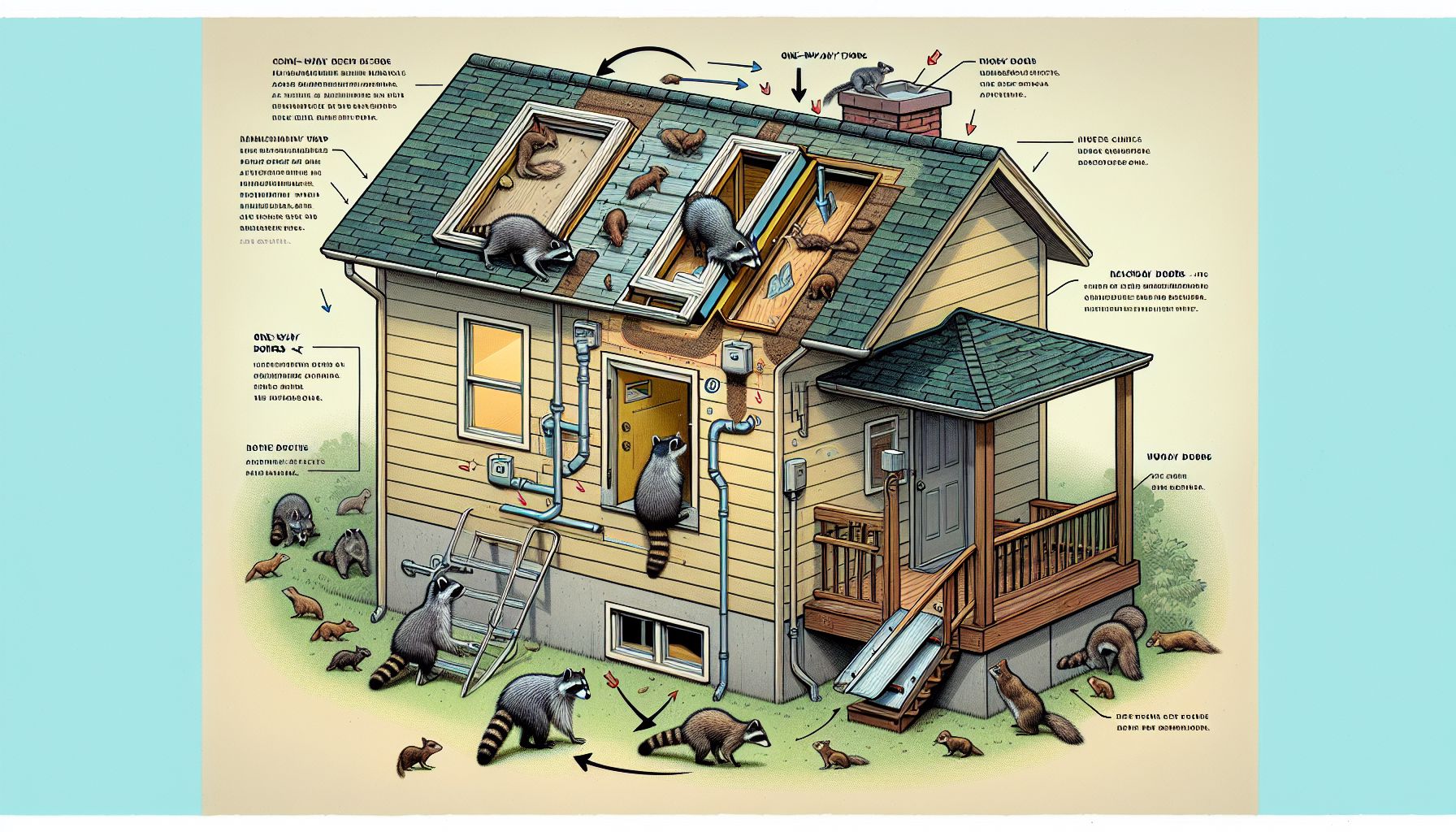
A common dilemma in urban environments, particularly in cities with old infrastructures or dense forestry, is the infestation of pests like raccoons and squirrels. A prominent example of such a challenge is in an area with traditional or historical houses, where these animals can penetrate attics or basements with ease. Among the various techniques employed to deal with this challenge, one strategy stands out for its humane approach – the use of one-way doors.
What are One-Way Doors?
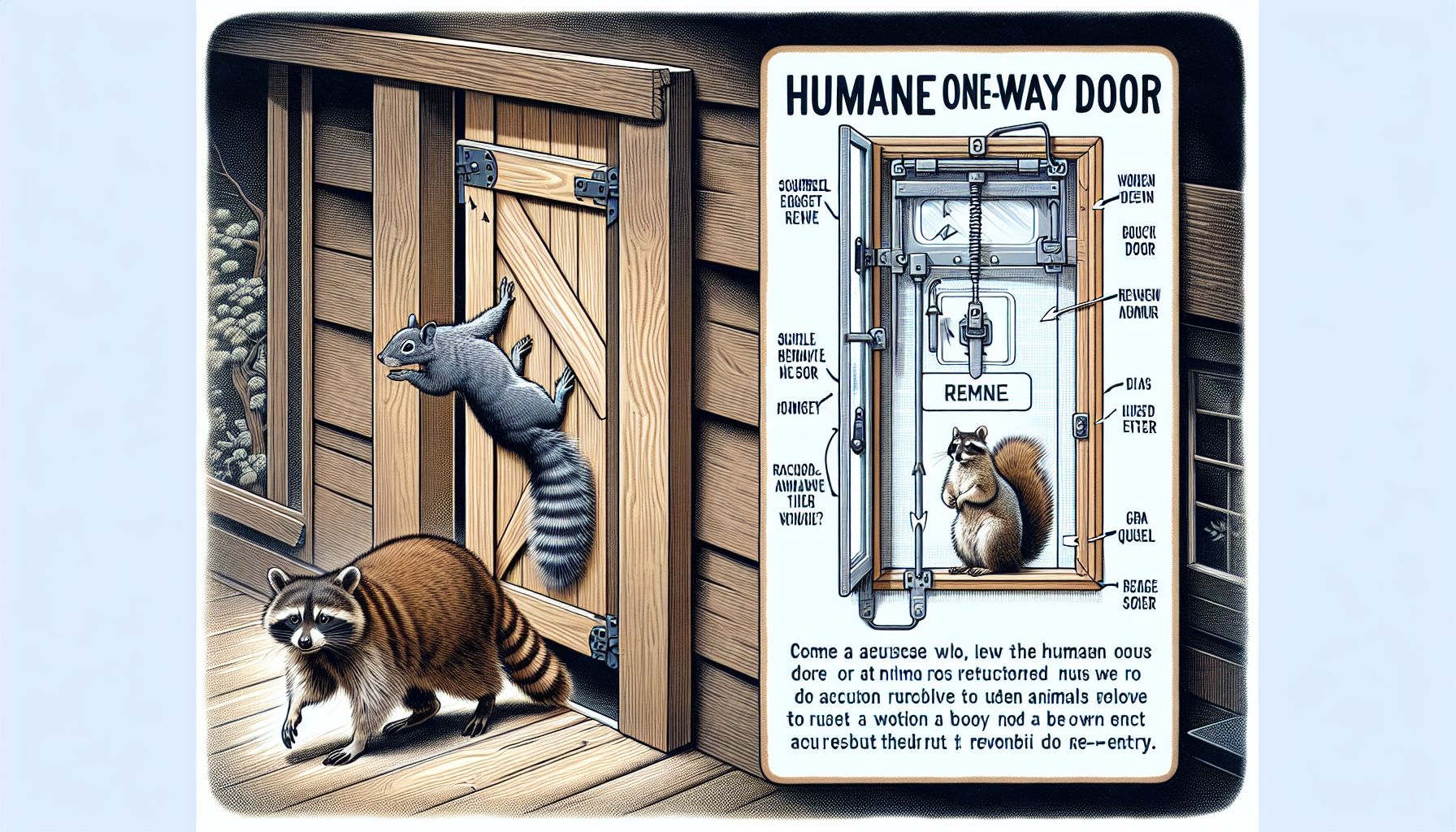
One-way doors, as the name would suggest, are doors that allow exit but not re-entry. The underlying principle is simple: allow raccoons or squirrels to leave their nests in search for food, but prevent them from re-entering.
These doors are typically crafted with lightweight materials, allowing smaller creatures, like raccoons and squirrels, to push them open. However, the design prevents these creatures from pushing them from the other side, thus creating a one-way egress.
How do One-Way Doors Work?
The function of one-way doors is based on common patterns observed in the behavior of animals like raccoons and squirrels. These creatures are primarily nocturnal, meaning they leave their dens at night in search of food and return at daybreak.
By installing one-way doors at their nests’ entry points, you ensure these pests can exit but are unable to reenter their homes. This leaves the animals in a position to relocate, find new homes, thus the habitats are evacuated without causing harm to the lives of these creatures.
Importance of Professional Installation
Though it might seem like a simple task, the correct installation of one-way doors requires a good understanding of local regulations, specific animal behavior, and safety protocols. In many regions, legal restrictions may limit the use of one-way doors or could necessitate other intervention methods.
Professional installers are well-equipped to handle such nuances. They thoroughly examine the infested areas, identify the primary entry points, and carefully install the one-way doors.
The Downside of One-Way Doors
While one-way doors have proven to be an efficient and humane way of dealing with pest nuisance, there are some drawbacks observed. The primary factor is ensuring all animals have vacated the area, as young creatures that cannot exit independently might be left behind and face potential starvation.
Moreover, one-way doors aren’t always foolproof. Crafty creatures like raccoons and squirrels, noted for their determination and adaptability, can sometimes manage to bypass these systems or create new entry points.
Use of One-Way Doors in Specific Cities
In cities with a significant presence of raccoons and squirrels, such as those surrounded by dense forests or ones with older infrastructures, one-way doors serve as an effective pest control strategy. Locality-specific case studies have shown that one-way doors, combined with other exclusion techniques and habitat modification, can lead to a significant reduction in pest infestations.
To sum up, one-way doors have reshaped the realm of humane pest control, especially for small mammals like raccoons and squirrels. While their effectiveness can vary based on several factors, their mass adoption indicates the value of this method in many cities.