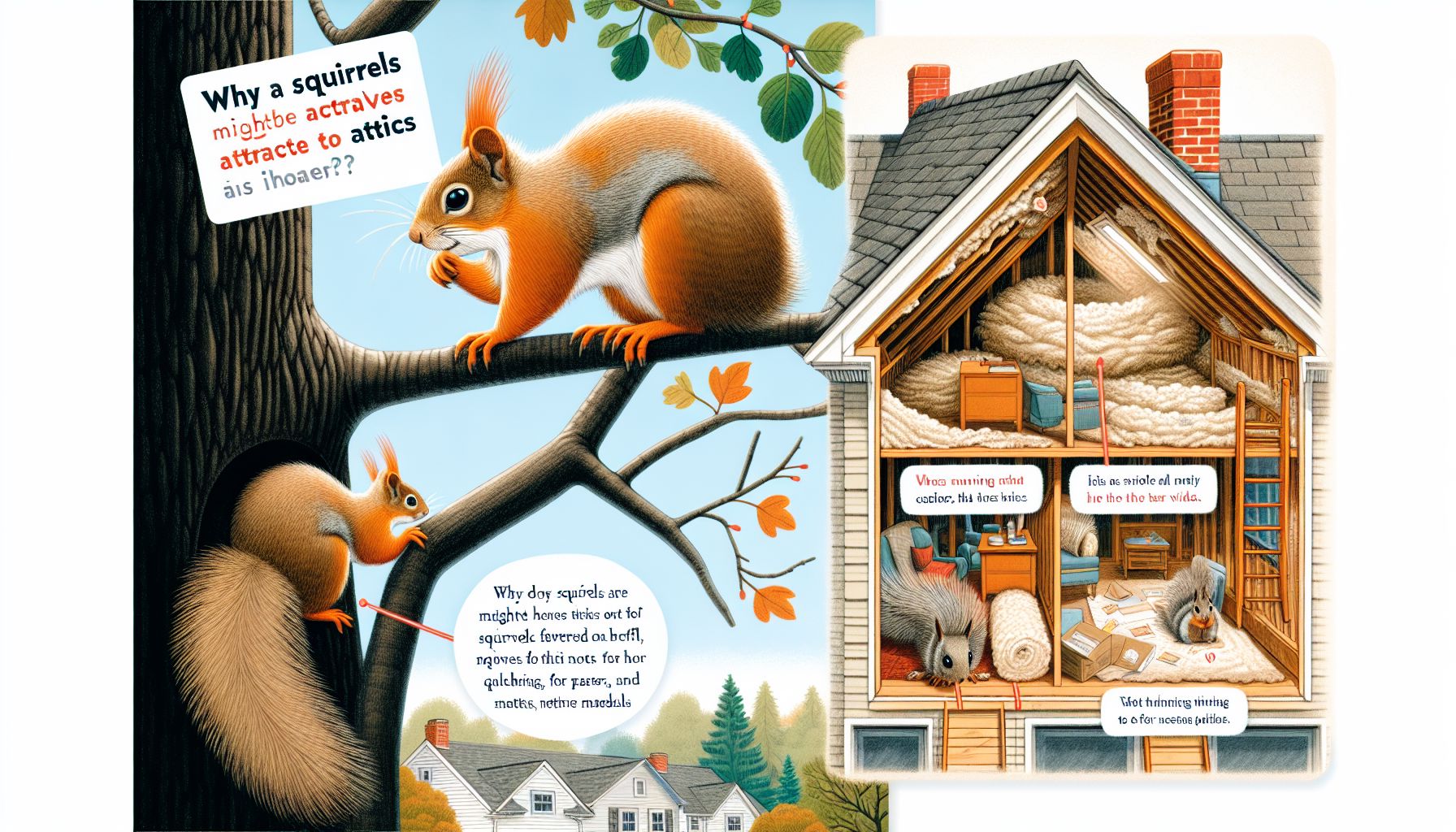
One of the common issues homeowners face, particularly in urban areas, relates to wildlife habitation in our living spaces. A common instance of this is squirrels, particularly babies, setting up habitation in household attics. The city’s environment, combined with the aging infrastructure of many homes, offers ideal nesting places for these small creatures. This article will explore why the timing of removal is crucial to ensure a humane and effective handling of squirrel babies in your attic.
Understanding Squirrel Behaviour
To address the problem effectively, it’s vital to understand the behavior of squirrels and their birthing cycles. Generally, squirrels have two breeding periods in a year. They often give birth in the late winter and again in the summer. During these periods, female squirrels seek out warm, safe locations to raise their young, often selecting a residential attic for this. These baby squirrels stay in the nest for up to ten weeks, dependent on the local climate.
For city residents, frequent sightings of infant squirrels in attics align with seasonal patterns. However, the timing of the removal should align with the developmental stages of the baby squirrels. In many situations, humane removal is best carried out when the baby squirrels are capable of surviving outside the nest.
For specific details on squirrel behaviour, the Toronto Wildlife Centre offers valuable insights and instructions on how to help baby squirrels.
Why Timing Matters
If you find baby squirrels in your attic, proper timing for removal is essential for their survival. Early removal, when the babies are still dependent on their mother for warmth and nourishment, often leads to orphaned or injured squirrels. In contrast, premature removal may force the mother squirrel to break into the house again to retrieve her young, leading to further property damage.
On the contrary, late removal can also pose issues. Elder baby squirrels are more mobile and can start chewing on wires or wooden structures, potentially causing damage to your house. Hence, finding the balance in timing is critical for an effective removal process.
Limitations and Constraints
Understanding that the situation can vary with numerous external and internal factors is vital. The size and age of the squirrels, entry points in the house, accessibility of the nest, and local by-laws all play parts in determining the appropriate course of action.
One common misconception is that noise devices or repellents would evict the squirrels. In reality, these methods rarely work, particularly with nesting mothers. In such cases, consulting a local wildlife expert or reputable source like the Humane Society can offer accurate advice.
Conclusion: Balancing Human and Animal Interests
Ultimately, it’s about balancing our interests as homeowners with the natural behaviour of city-dwelling wildlife. Eviction and exclusion strategies should lean towards being as humane as possible but also being practical. Timing, in this context, plays a significant role. Ensuring there are no baby squirrels left behind in the eviction process reduces the likelihood of the mother squirrel causing further damage to retrieve her offspring.
It’s important to remember that squirrels are part of our shared urban ecosystem. For more in-depth understanding about these creatures, the Canadian Wildlife Federation provides educational resources on urban wildlife, including squirrels. By understanding their habits and lifecycle better, we can co-exist peacefully and address such issues in a humane and practical way.
Finding squirrel babies in your attic can be a challenging experience, but with the right knowledge about their behaviour and appropriate timing, homeowners can resolve this in a considerate and effective manner.